You Won’t Believe What I Found at Koh Samui’s Hidden Cultural Spots
Koh Samui isn’t just beaches and luxury resorts—there’s a deeper soul to this island. I went off the beaten path and discovered temples, local workshops, and village traditions that most tourists miss. From the scent of incense in ancient shrines to the rhythm of handmade crafts, every moment felt authentic. This is travel that connects you to place, people, and heritage. Let me take you where the real culture lives.
Beyond the Postcard: The Cultural Heart of Koh Samui
Koh Samui is often celebrated for its turquoise waters, palm-fringed shores, and high-end beachfront villas. For many, the island symbolizes tropical relaxation, spa days, and sunset cocktails. While these pleasures are real, they only scratch the surface of what makes Samui truly special. Beneath the glossy exterior lies a living cultural landscape—quiet temples tucked into groves, morning markets bursting with local color, and communities preserving traditions passed down for generations. These are not staged performances for visitors; they are everyday rhythms that shape the island’s identity.
Travelers who venture beyond the resort zones discover a different pace of life—one where spirituality, craftsmanship, and community take center stage. The real charm of Koh Samui emerges not in crowded viewpoints but in the hushed courtyards of centuries-old wats, the hum of looms in family-run workshops, and the shared smiles over steaming bowls of coconut curry. This kind of travel goes beyond sightseeing; it invites connection. It allows visitors to witness how Thai values of respect, mindfulness, and harmony are woven into daily routines.
Choosing to explore this cultural layer transforms a vacation into something more meaningful. Instead of collecting photos, you gather understanding. You begin to see how faith guides daily rituals, how food brings families together, and how artistry is not a profession but a legacy. These experiences stay with you long after the tan fades. They foster appreciation not just for Thailand’s traditions, but for the quiet dignity of a way of life that prioritizes balance over speed, and community over convenience.
Wat Overload: Temples That Tell Stories
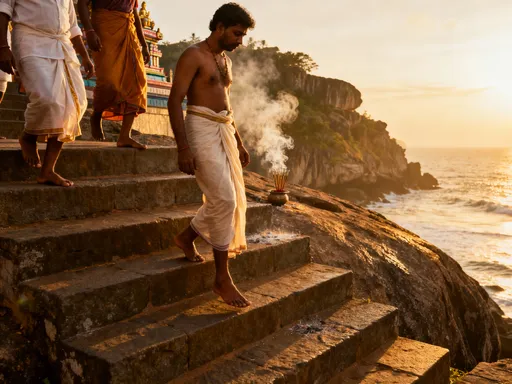
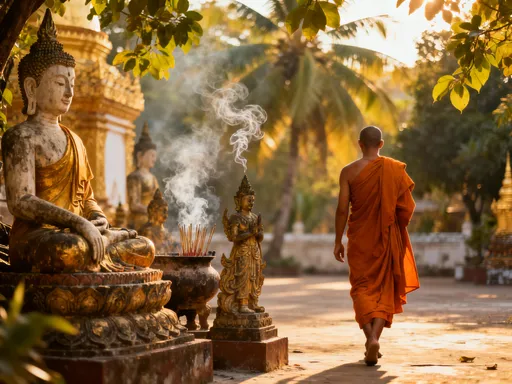
Among the most profound cultural experiences on Koh Samui are visits to its Buddhist temples, or wats. These sacred spaces are far more than architectural wonders—they are living centers of spiritual practice, education, and community life. Wat Plai Laem, nestled along the northeastern coast, offers a striking blend of artistic expression and religious devotion. Its centerpiece, an 18-armed statue of Guanyin, rises serenely from a lotus pond, symbolizing compassion and protection. The surrounding halls are adorned with vibrant murals depicting Buddhist teachings, while the air carries the faint scent of sandalwood and incense.
Equally compelling is Wat Khunaram, home to the remarkably preserved remains of Luang Pho Daeng, a monk whose body entered a natural state of mummification after death. This site is not intended to shock but to inspire reflection on impermanence and spiritual discipline. Visitors observe quietly, many placing lotus blossoms or lighting candles as gestures of respect. Monks in saffron robes move through the grounds with calm purpose, reciting morning chants or tending to temple duties, offering a glimpse into a life dedicated to mindfulness and service.
What makes these temples so powerful is their authenticity. Unlike tourist attractions with timed performances, these wats function as active places of worship. Locals come to pray, meditate, and make merit—acts believed to bring good karma. Observing these rituals, even as a silent outsider, fosters a deep sense of reverence. It reminds us that culture is not static; it is lived, breathed, and renewed every day through practice.
When visiting such sites, mindfulness is essential. Dressing modestly—covering shoulders and knees—is not just a rule but a sign of respect. Removing shoes before entering prayer halls, speaking softly, and avoiding physical contact with religious objects are simple acts that honor local customs. By approaching these spaces with humility, travelers gain more than insight—they participate, in a small way, in the continuity of tradition.
Crafted with Soul: Meeting Local Artisans
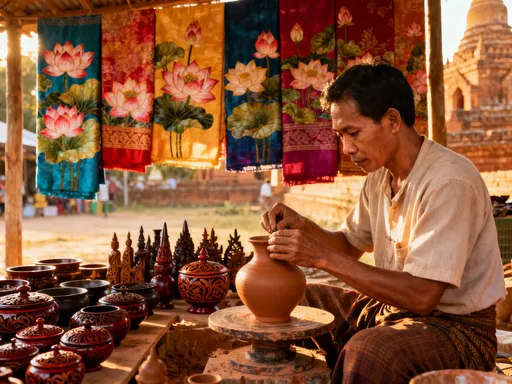
One of the quietest yet most moving aspects of Koh Samui’s culture is its artisanal heritage. In small workshops scattered across the island, skilled hands continue to practice crafts that have been refined over generations. These are not souvenir factories churning out mass-produced trinkets, but intimate spaces where artistry and intention meet. From silk weaving to wood carving, these crafts are expressions of identity, patience, and pride.
In a modest studio near the inland village of Na Mueang, I met a family of silk weavers who have worked with natural dyes and handlooms for over fifty years. The process begins with raising silkworms, then boiling the cocoons to extract fine threads. These are dyed using plant-based pigments—turmeric for gold, indigo for deep blue, and mangosteen peel for soft brown. The weaving itself is slow, deliberate work, with each pattern carrying symbolic meaning. A zigzag might represent water, a diamond motif the rice field, and a spiral the cycle of life.
The eldest daughter, who learned the craft from her grandmother, explained that each piece takes weeks to complete. “It’s not about speed,” she said, “it’s about keeping our story alive.” Her words echoed in the rhythmic clack of the loom, a sound that has likely filled this home for decades. Supporting such artisans—by purchasing directly or simply by visiting and showing interest—does more than sustain a livelihood. It helps preserve knowledge that might otherwise fade in the face of industrialization and mass tourism.
Wood carving is another enduring tradition, often linked to temple decoration and religious iconography. In a shaded workshop near Lamai, an elderly craftsman demonstrated how he transforms teak and rosewood into intricate Buddha images and guardian figures. Using chisels worn smooth by years of use, he carved lotus petals, flame halos, and flowing robes with astonishing detail. “Every curve must carry meaning,” he said. “A smile too wide loses serenity. A hand position must reflect the right teaching.”
These artisans are not merely craftsmen; they are custodians of culture. Their work connects the present to the past, offering a tactile link to values of patience, precision, and reverence. When travelers seek out these spaces—not as photo opportunities but as places of learning and appreciation—they contribute to a more sustainable and respectful form of tourism. They help ensure that Koh Samui’s cultural soul remains vibrant, not just preserved behind glass, but alive in the hands of those who carry it forward.
Taste of Tradition: Food as Cultural Expression
On Koh Samui, food is far more than sustenance—it is a language of care, history, and belonging. The island’s culinary traditions reflect its geography, climate, and cultural exchanges, blending bold flavors with seasonal ingredients. While beachside restaurants cater to international tastes, the true essence of Samui’s cuisine unfolds in local markets, roadside stalls, and family kitchens where recipes are passed down like heirlooms.
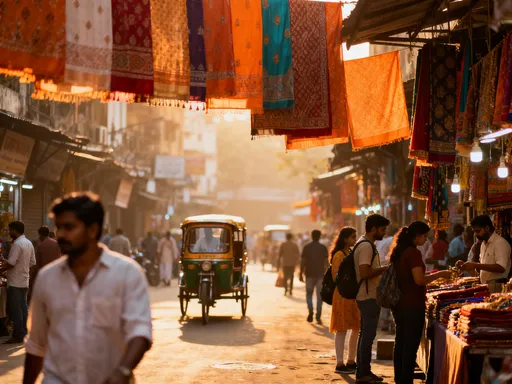
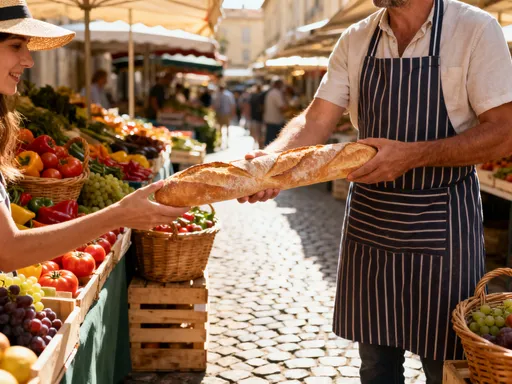
One morning, I visited a morning market in the central town of Nathon, where vendors arranged pyramids of green mango, fragrant kaffir lime, and plump rambutan. A woman stirred a bubbling pot of gaeng som, a sour curry made with tamarind, turmeric, and fresh fish from the Gulf of Thailand. The aroma—tangy, spicy, and deeply savory—drew a steady line of customers, mostly locals in work clothes arriving before sunrise. She served the curry in banana leaves, accompanied by sticky rice wrapped in pandan leaves, a tradition that keeps the grains fragrant and warm.
This daily ritual is more than a meal; it is a reflection of Thai values. Food is shared generously, often without expectation of return. It is prepared with attention to balance—hot, sour, sweet, salty, and bitter in harmony. Even the act of giving food to monks during morning alms, known as *tak bat*, is a cornerstone of Buddhist practice. Families rise early to prepare rice and curries, placing them in waiting bowls as monks walk silently through neighborhoods. This quiet exchange reinforces community bonds and spiritual mindfulness.
Another culinary delight is the island’s use of coconut in nearly every form. Fresh coconut water is sipped from the shell, while coconut milk enriches curries, desserts, and even savory dips. In a village near Maenam, I watched an elder demonstrate how to grate coconut flesh by hand, then squeeze the pulp through a cloth to extract thick milk. She used it to make *khanom tom*, soft, sweet dumplings rolled in shredded coconut—a treat often served during family gatherings and festivals.
To experience these flavors authentically, travelers are encouraged to explore local food markets rather than tourist-centric eateries. Look for stalls with long lines of locals, where dishes are prepared fresh and served simply. Avoid assumptions about spice levels—many Thai dishes are hot by design, but vendors will often adjust upon request. More than just eating, this is an act of cultural participation. Each bite connects you to the land, the labor, and the love that goes into feeding a community.
Festivals in Motion: When the Island Comes Alive
While Koh Samui’s culture can be felt quietly in its temples and markets, it erupts into full vibrancy during festivals. These events are not performances for tourists but genuine expressions of faith, gratitude, and communal joy. Timing a visit to coincide with one of these celebrations offers an unparalleled opportunity for cultural immersion.
One of the most widely celebrated is Songkran, the Thai New Year, which takes place in mid-April. Far from being just a water fight, as it is often portrayed, Songkran is deeply rooted in ritual. Families clean their homes to sweep away bad luck, prepare special meals, and visit temples to make merit. Elders are honored with gentle water pourings on their hands—a gesture of respect and blessing—before the more exuberant street dousing begins. In Samui, this blend of reverence and revelry unfolds in every neighborhood, with music, dancing, and laughter filling the streets.
Temple fairs, or *wat festivals*, are equally significant. Held to mark religious holidays or lunar phases, these gatherings transform temple grounds into lively community hubs. Stalls sell handmade snacks, children play traditional games, and local musicians perform *luk thung*, a style of folk music that tells stories of rural life and love. At night, dance troupes in ornate costumes perform *ram wong*, a circle dance that invites everyone to join. The atmosphere is warm, inclusive, and deeply joyful.
For travelers, participating in these events requires sensitivity. Observing first, asking politely before taking photos, and dressing modestly are essential. Joining a dance circle is welcome, but mimicking sacred rituals without understanding can be disrespectful. The goal is not to perform culture, but to honor it. When done with humility, these experiences become transformative—moments where barriers dissolve, and connection happens not through words, but through shared rhythm and spirit.
Getting There Right: Smart Travel Tips for Cultural Respect
Exploring Koh Samui’s cultural treasures is rewarding, but it comes with the responsibility to travel mindfully. Respect is not an afterthought—it is the foundation of meaningful engagement. Simple actions, when done with intention, can make a significant difference in how visitors are received and what they take away from their journey.
Dress is one of the most visible signs of respect. When visiting temples or attending ceremonies, covering shoulders and legs is required. Many travelers carry a lightweight shawl or sarong for quick adjustments. Footwear must be removed before entering prayer halls or private homes—a practice that symbolizes leaving the outside world behind. Even in casual settings, modest clothing shows awareness of local norms, especially in rural areas where conservative values remain strong.
Language is another bridge. Learning a few basic Thai phrases—such as *sawasdee krap* (hello, for men), *sawasdee ka* (hello, for women), and *kop kun krap/ka* (thank you)—goes a long way. These small efforts are often met with warm smiles and increased willingness to engage. While English is spoken in tourist areas, using Thai in local markets or workshops demonstrates genuine interest and respect.
Timing visits can also enhance the experience. Early mornings are ideal for temple visits, when the air is cool and the grounds are quiet. This is also when monks collect alms, offering a chance to observe or even participate in the ritual respectfully. Local markets are most vibrant at dawn, when fishermen unload their catch and farmers bring in fresh produce. Avoiding peak tourist hours allows for more authentic interactions and fewer crowds.
Transportation to cultural sites is easiest by scooter or local taxi, though some temples are accessible by public songthaew (shared pickup trucks). Travelers should plan routes in advance, as signage may be limited. Most importantly, slow down. Rushing from site to site reduces culture to a checklist. Immersive travel means lingering—spending time in a garden, sharing tea with a local, or simply sitting quietly in a temple courtyard. These moments of stillness often yield the deepest understanding.
Why It Matters: The Value of Immersive Travel
Seeking out Koh Samui’s hidden cultural spots is not just about seeing something new—it’s about becoming more aware, more connected, and more human. In a world where travel is often reduced to hashtags and highlight reels, choosing depth over convenience is a quiet act of resistance. It says that we value authenticity, that we honor the people whose lives and traditions shape the places we visit.
Immersive travel fosters empathy. When we witness a monk’s morning meditation, hear the clatter of a weaver’s loom, or taste a curry made by hand, we begin to understand lives different from our own. We see the care behind every act, the meaning woven into every gesture. This understanding breaks down stereotypes and builds bridges of respect.
It also plays a role in preservation. When travelers support local artisans, visit community-run markets, and engage with cultural sites in respectful ways, they contribute to the sustainability of these traditions. Tourism, when done thoughtfully, can be a force for good—helping to keep crafts alive, protect sacred spaces, and empower communities to maintain their heritage without compromise.
For the traveler, the rewards are profound. These experiences do not fade like sunburns or get buried in photo albums. They settle into your being—shaping how you see the world, how you relate to others, and how you carry yourself when you return home. You begin to appreciate slowness, intention, and the quiet dignity of everyday rituals.
Koh Samui’s true beauty is not only in its beaches, but in its beating heart—the temples that rise with the morning mist, the hands that shape wood and silk, the meals shared with gratitude, and the festivals that unite a community in joy. To travel here with curiosity and respect is to not just visit a place, but to be changed by it. So the next time you plan a journey, ask not only where you’ll go, but how deeply you’ll see. Let your travels be more than escape—let them be connection. Let them be real.