You Won’t Believe These Hidden Viewpoints in Harare
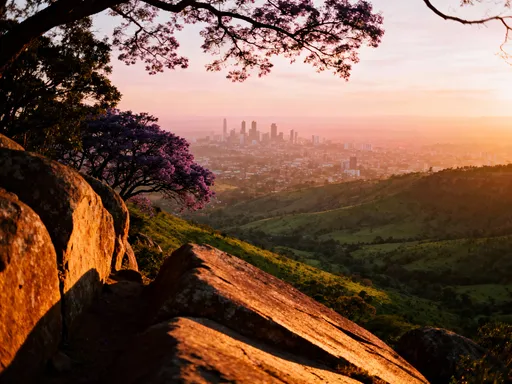
Harare isn’t just Zimbabwe’s capital—it’s a city of quiet surprises. Most visitors rush to Victoria Falls or Hwange, missing the serene beauty right here. I stumbled on viewpoints that locals love but rarely share. Think sweeping green hills, golden sunsets over granite outcrops, and cityscapes framed by jacaranda trees. These spots offer more than just views—they reveal Harare’s soul. If you're seeking authentic moments off the tourist trail, you gotta see this.
Why Harare Deserves a Closer Look
Often overshadowed by Zimbabwe’s more famous natural attractions, Harare quietly holds its own as a destination rich in understated charm. While travelers flock to thundering waterfalls and vast national parks, the capital offers a different kind of wonder—one where urban life intertwines seamlessly with nature. Nestled within a highland plateau at nearly 1,500 meters above sea level, the city enjoys a mild climate and lush greenery that spills into residential neighborhoods, parks, and university grounds. This unique blend makes Harare not just livable, but deeply scenic, especially from elevated vantage points.
What sets Harare apart is its accessibility to natural beauty without requiring long treks or guided safaris. Unlike remote destinations that demand extensive planning, the city’s best viewpoints are often just minutes from central areas, yet feel worlds away. In recent years, there's been a quiet shift in travel trends toward urban ecotourism—visitors seeking green spaces, clean air, and authentic local experiences within city limits. Harare fits this model perfectly. Its low-rise skyline, tree-lined avenues, and surrounding hills create an environment where nature is never truly out of sight.
Moreover, Harare remains refreshingly uncrowded compared to other African capitals. You won’t find tour buses lining up at every corner, nor queues for photo ops. This lack of mass tourism is not a drawback—it's an invitation. It allows for peaceful exploration, unobstructed views, and spontaneous encounters with residents who appreciate when outsiders take a genuine interest in their city. For thoughtful travelers, this means the chance to experience Harare on a personal level, one hilltop at a time.
Mount Pleasant: More Than Just a Neighborhood
Perched on the northern edge of Harare, Mount Pleasant is more than just a leafy suburb known for its schools and embassies—it’s one of the city’s most rewarding areas for panoramic views. The neighborhood sits atop a gentle rise, and its winding residential roads often open unexpectedly into breathtaking outlooks. As you drive or walk through its quiet streets, the terrain gradually reveals wide-angle perspectives: valleys carpeted in green, clusters of homes nestled among trees, and the distant city center shimmering under the African sun.
One of the most accessible vantage points is along Selous Avenue, where the road curves slightly and offers a natural overlook. From here, especially in the late afternoon, the light casts long shadows across the hills, creating a layered effect of depth and texture. Another favorite among locals is the area near the intersection of Oxford and Portsmouth Roads, where a small pull-off allows visitors to park safely and take in the vista. These are not formal tourist sites, which adds to their appeal—they’re everyday places where beauty reveals itself to those who pause long enough to notice.
For the best visual clarity, aim to visit Mount Pleasant between 4:00 PM and 6:00 PM. During these hours, the sun is low enough to avoid harsh glare but still bright enough to illuminate the landscape. The air tends to be clearer in the cooler months—April through August—when humidity is low and haze is minimal. Early mornings also offer a special kind of magic, with mist drifting through the valleys like whispers of fog before the city fully wakes.
What makes these viewpoints special is not just what you see, but how they make you feel. There’s a sense of calm, of being slightly removed from the bustle below, yet still connected to the rhythm of the city. Whether you’re capturing a photo or simply standing in silence, Mount Pleasant reminds you that beauty doesn’t always require fanfare—it can be found in the quiet curve of a road, the rustle of leaves, and the slow fade of light across the hills.
The University of Zimbabwe Campus as a Secret Vantage Point
Situated on a commanding hilltop in Mount Hampden, just outside Harare’s central business district, the University of Zimbabwe’s sprawling campus is a hidden gem for panoramic views. Its elevated position—combined with wide-open lawns, tree-lined pathways, and academic buildings spaced across rolling terrain—creates multiple natural observation points. While primarily a place of learning, the campus doubles as an unintentional lookout, offering sweeping vistas that stretch far beyond the university grounds.
Visitors entering from the main gate off University Road are greeted by a grand avenue flanked by towering eucalyptus and jacaranda trees. As you walk deeper into the campus, the land slopes gently upward, leading to higher ground near the library and administrative buildings. From these elevated zones, particularly around the Senate Building, the view opens dramatically: the city sprawls to the south and east, framed by patches of forest and distant hills. On clear days, you can see the outline of the Harare skyline, softened by distance and greenery.
What makes this vantage point so compelling is the contrast it offers. The campus radiates a sense of stillness—students reading under trees, professors walking between lectures, birds calling from the canopy—while just beyond the perimeter, the city pulses with activity. Standing at the edge of a grassy terrace, you’re simultaneously in a world of quiet reflection and in full view of urban life. It’s a rare duality that few cities offer so effortlessly.
Accessibility is straightforward during daylight hours. The university is generally welcoming to visitors, especially those who appear respectful and non-disruptive. Security personnel at the gate may ask for identification or a brief explanation of your purpose, but polite engagement usually suffices. The best times to visit are weekday mornings or early afternoons, when foot traffic is steady but not overwhelming. Avoid exam periods, when access may be more restricted and the atmosphere more tense.
For photographers and nature lovers, the campus also offers rich details beyond the wide views. Native aloes bloom in winter, weaver birds build intricate nests in acacia trees, and the changing seasons bring subtle shifts in light and color. Whether you come for the vista or the serenity, the University of Zimbabwe proves that some of Harare’s highest perspectives are found not on mountain peaks, but in places of knowledge and growth.
Fernwood Gardens and the Power of Elevated Nature Trails
Just a short drive from Harare’s city center, Fernwood Gardens offers a sanctuary where nature and elevation come together in perfect harmony. Managed by the Zimbabwe Society for the Prevention of Cruelty to Animals (ZSPCA), this reserve was originally established as a refuge for animals, but it has evolved into a cherished green space for walkers, birdwatchers, and anyone seeking a peaceful retreat. What many visitors don’t realize is that the garden’s gently rising terrain leads to several clearings with stunning outlooks over the surrounding landscape.
The main trail begins near the entrance, winding through dense vegetation and past small enclosures where rescued animals live in quiet dignity. As you progress, the path begins to climb, following the natural contour of the hill. Around the halfway point, the trees thin slightly, and the first real view appears—a wide sweep of treetops below, with glimpses of suburban Harare beyond. By the time you reach the upper loop, you’re standing at one of the most serene vantage points in the city, where the horizon stretches uninterrupted.
What elevates the experience—literally and figuratively—is the sense of immersion. Unlike roadside lookouts, Fernwood requires a bit of movement, a small investment of effort that makes the reward feel earned. The trail is well-maintained and suitable for most fitness levels, with benches placed at intervals for rest. Along the way, you’ll hear the chatter of guinea fowl, spot colorful rollers perched on branches, and perhaps catch sight of a mongoose darting through the undergrowth. These small encounters deepen the connection to place, turning a simple walk into a multisensory journey.
For optimal viewing, visit between 8:00 AM and 10:30 AM, when the air is crisp and the light filters through the trees in soft beams. Late afternoon is also lovely, especially in winter (May to August), when the sun sets behind the hills, painting the sky in warm hues of orange and pink. Because Fernwood is less known to international tourists, it remains a favorite among locals who value tranquility. Weekends can be busier, so weekday visits offer greater solitude.
Fernwood Gardens is more than a viewpoint—it’s a reminder of how urban spaces can coexist with nature. The reserve’s dual mission of animal welfare and public access creates a unique atmosphere of care and respect. As you stand at the top of the trail, looking out over the green expanse, you’re not just seeing Harare from above—you’re feeling its quieter, more compassionate side.
Domboramwari: A Spiritual Spot with a Stunning Vista
Nestled in the northeastern outskirts of Harare, Domboramwari is a site of cultural and spiritual significance that also happens to offer one of the most dramatic natural viewpoints in the region. The name, derived from the Shona language, reflects the area’s deep connection to traditional beliefs, where certain rock formations and elevated spaces are regarded as places of reflection and reverence. While the spiritual aspects are important to many Zimbabweans, the site’s physical beauty stands on its own, drawing visitors for reasons beyond faith.
The journey to the main viewing area involves a moderate climb over smooth granite outcrops, typical of the Zimbabwean landscape. As you ascend, the terrain opens up, revealing layered hills and distant ridges that fade into the horizon. At the summit, a large flat rock serves as a natural platform, offering a 360-degree panorama. To the west, you can see the sprawl of Harare softening into the countryside; to the east, the land rises again into rolling highlands. The sense of elevation is palpable—you feel both small and connected, as if standing at a meeting point between earth and sky.
Sunrise is perhaps the most powerful time to visit. As the first light touches the rocks, the granite glows in warm tones, and the mist rises from the valleys like breath. Late afternoon is equally moving, with the setting sun casting long shadows and deepening the colors of the landscape. The stillness at Domboramwari is profound—cell phone signals are weak, and the sounds of the city are absent. What remains is the wind, the occasional bird call, and the quiet rhythm of your own footsteps.
Visitors are encouraged to approach the site with respect. While it is open to the public, it is not a recreational park in the conventional sense. There are no vendors, no marked trails, and minimal signage—just nature and the presence of those who come to reflect. Proper footwear is essential, as the rocks can be slippery, especially after rain. A hat, water, and a light snack are recommended, as there are no facilities on-site. Because of its informal nature, Domboramwari is best visited with a local guide or as part of a small group familiar with the area.
What makes this place unforgettable is not just the view, but the feeling it evokes—a sense of timelessness, of being in a space that has witnessed generations. For travelers seeking more than photo opportunities, Domboramwari offers a moment of pause, a chance to stand quietly and absorb the quiet grandeur of Zimbabwe’s highland terrain.
Practical Tips for Chasing Views in Harare
Exploring Harare’s hidden viewpoints is a rewarding experience, but a little preparation goes a long way. The best time of year to visit is during the dry season, which runs from April to August. During these months, the skies are typically clear, humidity is low, and visibility is at its peak. The air feels crisp, especially in the mornings, and the landscape takes on a golden-green hue that enhances photography. September and October can be hotter and hazier, while the rainy season (November to March) brings frequent afternoon showers and reduced visibility due to cloud cover.
When it comes to transportation, private taxis or ride-hailing services are the most convenient and safest options for tourists. While public transport exists, it can be difficult to navigate for first-time visitors, and routes may not go directly to these specific locations. Self-driving is possible if you’re comfortable with Harare’s road conditions, but be aware that some access roads to viewpoints are unpaved or poorly marked. A GPS or offline map app can be helpful, though signal strength may vary in elevated or remote areas.
Safety is generally not a major concern at these sites, especially during daylight hours and when visiting with others. However, it’s wise to remain aware of your surroundings, avoid displaying valuables, and stick to well-used paths. Let someone know your plans if you’re going off the beaten track. Most of these locations are visited by locals, which is a good indicator of their safety and accessibility.
Packing essentials include a reusable water bottle, sunscreen, a wide-brimmed hat, and comfortable walking shoes—particularly for sites like Domboramwari and Fernwood Gardens, where terrain can be uneven. A lightweight jacket is useful in the early morning or late evening, as temperatures can drop noticeably at higher elevations. Don’t forget your camera or smartphone for photos, but also take time to simply observe without a lens. Some of the most powerful moments happen when you put the device down and just breathe in the view.
Weather awareness is key. Check the daily forecast before heading out—clear skies are ideal, but even partly cloudy days can offer dramatic lighting. Early mornings tend to be less windy and more stable in terms of visibility. If you’re planning a sunrise visit, allow extra time to reach your destination before first light. Finally, always respect local customs and the environment. Carry out all trash, avoid disturbing wildlife, and treat these spaces as shared treasures.
Why These Viewpoints Change How You See Harare
Standing at any of these elevated spots, something shifts. The city, often perceived as merely administrative or functional, reveals a different character—one of quiet beauty, natural harmony, and understated elegance. These viewpoints do more than offer scenic rewards; they reframe how we understand Harare. No longer just a capital on a map, it becomes a living landscape shaped by geology, climate, and the daily lives of its people.
This transformation in perception is at the heart of meaningful travel. When we take the time to climb a hill, walk a trail, or pause at a quiet overlook, we move beyond surface-level tourism. We begin to see patterns—the way neighborhoods nestle into valleys, how greenery persists even in urban zones, how light changes with the hour. These details tell a story that guidebooks often miss. They invite us to slow down, to observe deeply, and to appreciate places not for their fame, but for their essence.
Harare’s hidden viewpoints also reflect a broader truth about travel: the best experiences are often the ones we don’t plan for. They happen when we wander beyond the obvious, listen to local suggestions, and remain open to surprise. These spots are not heavily promoted, nor do they have entrance fees or souvenir stands. Their value lies in their authenticity, in the fact that they are loved by residents and shared quietly, not sold.
In a world where destinations are increasingly crowded and commercialized, Harare offers a refreshing alternative. It reminds us that wonder doesn’t require spectacle—it can be found in the rustle of leaves, the curve of a hill, the quiet moment when the sun touches the horizon. These viewpoints are not just about what you see, but about how you see. They teach patience, presence, and respect—for nature, for place, and for the quiet dignity of a city that reveals its beauty slowly, to those willing to look.
So the next time you find yourself in Zimbabwe, don’t rush past the capital. Take a different route. Climb a hill, follow a path, and let Harare surprise you. Because sometimes, the most unforgettable views are the ones no one told you about.