You Won’t Believe What Hiking in Pompeii Reveals
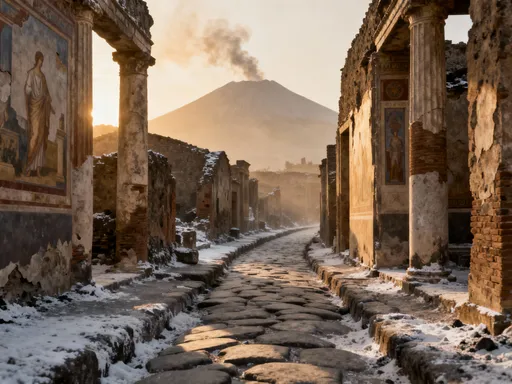
Walking through Pompeii isn’t just stepping into history—it’s hiking through a frozen moment in time. I never expected ancient ruins to feel so alive. Stone streets, preserved homes, and volcanic views create a surreal trail like no other. This isn’t your typical mountain hike, but every step delivers drama, mystery, and awe. If you're seeking a journey where nature and history collide, Pompeii’s theme-based zones offer an unforgettable trek. The path winds through homes, markets, and public spaces, each turn revealing stories etched in stone and shadow. Unlike fast-paced tours, hiking this ancient city allows time to absorb its rhythms, textures, and silences. It’s a slow immersion into a world suspended by ash nearly two thousand years ago, where every footfall echoes across centuries.
Why Hiking Pompeii Is Unlike Any Other Trail
At first glance, Pompeii may not resemble a traditional hiking destination. There are no switchbacks carved into mountainsides or wooden footbridges over rushing streams. Yet, the experience of walking through the archaeological site closely mirrors that of a well-designed nature trail—complete with varied terrain, rest stops, and moments of discovery around every corner. Visitors cover significant distances on foot, often walking three to five miles during a full visit. The ground beneath your feet shifts from smooth stone slabs to worn volcanic rock, with subtle elevation changes as you move from lower residential areas to higher public plazas. These physical elements engage the body much like a trail through a forest or along a coastline.
What sets Pompeii apart is how it transforms urban space into a walking journey. Unlike modern cities designed for vehicles, Pompeii was built for pedestrians. Its streets were narrow, its crossings raised for safety, and its pathways structured to guide movement through neighborhoods, markets, and civic centers. Walking here encourages a mindful pace, similar to the principles of meditative hiking—where attention is drawn to breath, step, and surroundings. There’s no rush, no traffic noise, only the soft crunch of gravel underfoot and the occasional whisper of wind through ancient archways. This deliberate rhythm allows visitors to absorb details they might otherwise overlook: a carved door hinge, a faded fresco, or the pattern of ruts left by Roman carts.
The layout of the city naturally divides into thematic zones, each functioning like a trail segment with its own character and purpose. You begin in bustling public areas, transition through quiet residential streets, and culminate in grand spaces like the amphitheater or baths. Signage and marked paths help guide the way without disrupting the authenticity of the site. Unlike crowded bus tours that rush from one highlight to the next, hiking Pompeii offers a personal, self-paced exploration. It invites curiosity, reflection, and a deeper connection to the people who once walked these same stones. In this sense, Pompeii isn’t just preserved—it’s reanimated with every step.
The Vesuvius Viewpoint Trail: Where Nature Meets Catastrophe
One of the most powerful experiences within the Pompeii journey is the gradual awareness of Mount Vesuvius looming in the distance. While the volcano doesn’t form part of the official archaeological park, the path leading from the eastern edge of the city offers a natural extension of the hike—a symbolic and visual connection to the force that both destroyed and preserved this ancient world. From vantage points near the Nocera Gate or along the road toward Boscoreale, hikers gain panoramic views of the still-active volcano, its conical peak rising above the fertile slopes of the Bay of Naples. This stretch of the route transforms the walk into a narrative journey: beginning with human life, ending with the natural power that reshaped it.
The ascent toward higher ground is gentle but meaningful. Though not a strenuous climb, the slight elevation change brings new perspectives—both literal and emotional. As the city spreads below like a stone mosaic, Vesuvius dominates the skyline, a constant reminder of the eruption in 79 AD that buried Pompeii under meters of ash and pumice. Interpretive panels along this path explain the geological timeline, helping visitors understand how pyroclastic flows moved at high speed, sealing the city in moments. These educational insights deepen the experience, turning observation into understanding. The air feels different here—crisper, charged with a quiet solemnity that matches the weight of history.
Safety and accessibility are well maintained on these outer trails. Paved and gravel pathways accommodate most fitness levels, with handrails and shaded rest areas at key points. Families, older adults, and solo travelers alike can follow this route comfortably, making it ideal for those who want to extend their visit beyond the ruins. Local guides often lead small groups along this path, sharing stories of the eruption and its aftermath. For many, standing on this elevated ground and gazing at Vesuvius creates a moment of pause—a recognition of nature’s immense power and the fragility of human settlements. It’s not just a view; it’s a lesson in humility, written in landscape and memory.
The Forum Zone – Heartbeat of Ancient Life
At the center of Pompeii lies the Forum, the vibrant heart of civic and social life before the eruption. More than just an open square, this expansive plaza served as the city’s primary gathering space—hosting markets, political debates, religious ceremonies, and daily commerce. For modern hikers, it functions as a natural midpoint on the journey, a place to pause, reflect, and take in the scale of Roman urban planning. Surrounded by towering columns, temples, and administrative buildings, the Forum offers shade, seating, and a sense of orientation amid the labyrinthine streets. Its open layout provides visual relief after navigating narrower residential blocks, making it an ideal rest stop halfway through the hike.
As you walk around the perimeter, the remains of the Temple of Jupiter, the Basilica, and the Macellum (market hall) come into view. Each structure tells a story of public life: the Basilica was where legal matters were settled, the Macellum where fresh produce and fish were sold, and the Temple of Apollo where citizens offered prayers for protection and prosperity. These buildings were not isolated monuments but interconnected parts of a living city. Today, interpretive displays and clear signage help visitors reconstruct how these spaces were used, turning the Forum into an open-air classroom. Benches placed strategically invite quiet contemplation, allowing hikers to sit where senators once debated or merchants closed deals.
What makes the Forum especially impactful is the sense of continuity it evokes. Though silent now, the worn stone surfaces bear the marks of countless footsteps—children playing, officials in togas, priests carrying offerings. Archaeological evidence shows that the space was constantly maintained, repaved, and adapted over time, reflecting the evolving needs of the community. This attention to detail mirrors the care modern hikers take in preserving trails and natural sites. Just as we mark paths and protect ecosystems, the Romans invested in public infrastructure to support daily movement and social cohesion. Standing in the Forum, one begins to feel not like a tourist, but a temporary citizen of this ancient world—connected across time through shared human needs for order, gathering, and meaning.
Residential Districts: Walking Through Ancient Homes
Leaving the public grandeur of the Forum, the path leads into Pompeii’s residential neighborhoods—areas where daily life unfolded in intimate detail. Among the most revealing are Regio V and the Insula of the Painted Houses, where entire blocks have been carefully excavated and preserved. These areas offer a deeply personal experience, transforming the hike from a tour of monuments into a walk through real homes. Unlike museums that display artifacts behind glass, Pompeii allows you to stand in doorways, peer into courtyards, and imagine families gathering around impluvium pools as rainwater trickled from above. The emotional resonance is immediate and profound.
Every house tells a story. In the House of the Vettii, for example, vibrant frescoes depict mythological scenes with striking detail—Bacchus riding a panther, Cupids working as goldsmiths. These weren’t merely decorative; they reflected the owners’ wealth, taste, and aspirations. Mosaics on the floors warn guests with phrases like “Cave Canem” (Beware of the Dog), adding a touch of humor and personality. Courtyards are lined with flower pots, kitchen hearths still hold charred remnants, and bedrooms retain the outlines of wooden furniture. These details make the past feel startlingly close, blurring the line between observer and participant. For many visitors, especially women who manage households today, these spaces evoke a sense of kinship—a recognition of timeless routines like cooking, cleaning, and caring for children.
The walking paths through these districts are thoughtfully designed to protect the site while maximizing access. Raised walkways and clear markers prevent accidental damage, and low railings allow unobstructed views without encouraging touching. Informational plaques describe family structures, domestic roles, and architectural features, enriching the experience without overwhelming it. The pace slows here, encouraging mindfulness and observation. Children’s sandals found near a doorway, a child’s scribble on a wall—these small traces amplify the emotional weight of the site. Hiking through these homes isn’t about spectacle; it’s about empathy. It invites reflection on how little some aspects of life have changed, even as centuries pass.
The Amphitheater & Sports District – Power and Entertainment
No journey through Pompeii would be complete without visiting the amphitheater, one of the oldest surviving Roman structures of its kind. Located at the southeastern edge of the city, it stands as a powerful symbol of communal life and physical spectacle. With seating for up to 20,000 spectators—nearly the entire population of Pompeii—it was more than a venue; it was a social equalizer where people from all classes gathered to watch gladiator battles, athletic contests, and public events. For modern hikers, it serves as a dramatic endpoint or turning point on the route, offering shade, seating, and a sense of culmination.
The amphitheater’s design is remarkably advanced. Built into a natural slope, it uses gravity and acoustics to enhance visibility and sound distribution. Even today, a whisper from the center can be heard in the upper tiers. Surrounding the arena are the remains of the gladiator barracks, where fighters trained and lived in close quarters. Graffiti on the walls includes names, betting odds, and boasts—remnants of individual lives caught in the machinery of entertainment. These human details ground the experience, preventing it from feeling like a distant relic. Instead, it becomes a space where courage, fear, and public emotion once surged in waves.
For families and active travelers, this area offers a tangible link between ancient physical culture and modern movement. Just as Romans celebrated strength, endurance, and competition, today’s hikers honor physical effort through walking, climbing, and exploration. The amphitheater reminds us that movement has always been central to human expression. It’s also one of the few shaded areas large enough to accommodate groups, making it a practical break point. Picnic-friendly zones nearby allow for rest and refreshment, and restrooms are conveniently located. Whether you view it as a monument to sport, society, or survival, the amphitheater stands as a testament to the enduring human need for gathering, drama, and shared experience.
Thermal Baths and Wellness Paths – Ancient Self-Care Routes
Among the most fascinating stops on the Pompeii hike are the public bath complexes, particularly the Stabian Baths—one of the oldest and best-preserved in the Roman world. These were not merely places to wash but centers of wellness, socializing, and daily ritual. For modern visitors, they represent an early form of self-care culture, remarkably aligned with today’s emphasis on mindfulness, relaxation, and holistic health. The journey through the baths mirrors a wellness trail: beginning in the changing room (apodyterium), moving through progressively heated rooms (tepidarium, caldarium), and ending in open-air courtyards for cooling down. This sequence encourages a slow, intentional progression—much like a guided meditation or forest bathing experience.
The architecture supports this rhythm. Vaulted ceilings, mosaic floors, and large windows create a serene atmosphere. Underfloor heating systems (hypocausts) once kept the caldarium warm, while cold plunge pools offered contrast therapy—practices that modern spas still emulate. Inscriptions and graffiti reveal personal habits: men and women bathed at different times, patrons left tips for slaves, and some even scheduled appointments. These details humanize the space, showing that self-care has long been part of daily life. For contemporary hikers, especially women managing busy households, the baths offer a quiet moment of recognition—a reminder that caring for oneself is not indulgence, but necessity.
Today, the paths through the bath complexes are well-maintained, with non-slip surfaces and clear directional signs. Educational panels explain hygiene practices, social customs, and engineering innovations, enriching the visit without breaking immersion. Benches and shaded areas allow for rest, making this section ideal for those needing a pause. The surrounding gardens and colonnades invite quiet reflection, completing the sense of renewal. Just as hiking helps clear the mind, so too did the Roman bath ritual offer mental and physical restoration. By walking this path, visitors participate in an ancient tradition of wellness—one that transcends time and speaks directly to the modern need for balance and care.
Planning Your Pompeii Hike – Practical Tips for Maximum Impact
To fully experience Pompeii as a hiking journey, planning is essential. The site covers over 170 acres, with only about two-thirds excavated and open to the public. A well-structured visit can last four to six hours, depending on pace and interest. To avoid the midday heat and crowds, arrive early—ideally between 8:30 and 9:00 AM. Spring and autumn offer the most comfortable temperatures, while summer visits require extra precautions. Mornings also provide softer light, ideal for photography and clearer visibility of frescoes and mosaics.
Footwear is critical. Wear sturdy, closed-toe shoes with good grip—many surfaces are uneven or slippery when damp. Sandals or heels are not recommended. Bring a light backpack with water (at least two liters), a wide-brimmed hat, sunscreen, and a small snack. Umbrellas or portable shade devices are useful, as shaded areas are limited. While there are cafes and restrooms inside the site, they can have long lines during peak season. Consider purchasing tickets online in advance to skip the main entrance queue. The full-access ticket includes entry to the main ruins and the nearby Villa of the Mysteries, worth adding if time allows.
For first-time visitors, a recommended circuit begins at the Marina Gate, proceeds through Regio V, passes the Forum, continues to the Stabian Baths, then moves toward the amphitheater before looping back. This route balances variety, shade, and key highlights. Audio guides or licensed tour apps provide context without requiring a live guide. Always stay on marked paths—protection of the site is paramount. Touching walls, frescoes, or artifacts is strictly prohibited, as even light contact can cause irreversible damage. Respect these rules not only to preserve history but to honor the experience for future hikers.
Conclusion: More Than a Hike – A Journey Through Time
Hiking Pompeii is more than a physical journey—it is a passage through time, memory, and human resilience. Unlike static museum exhibits, walking these ancient streets allows history to unfold dynamically, step by step. The stone paths, preserved homes, and public spaces are not relics behind glass but living landscapes that invite engagement. Each turn reveals a new layer: the grandeur of the Forum, the intimacy of a family home, the energy of the amphitheater, the calm of the baths. This integration of movement and meaning transforms the visit from observation into participation.
The true power of the Pompeii hike lies in its ability to connect body and mind with the past. As you walk, you don’t just see history—you feel it in your muscles, your breath, your awareness. The volcano watches silently from above, a reminder of nature’s power, while the city below whispers stories of ordinary lives interrupted. For women who balance caregiving, work, and personal well-being, this journey offers a rare opportunity: to slow down, reflect, and reconnect with what matters. It affirms that travel can be both enriching and grounding, adventurous and introspective.
Pompeii challenges us to rethink how we explore the past. Archaeological sites need not be passive destinations but active landscapes meant to be walked, felt, and understood through movement. By hiking Pompeii, we honor not only those who lived there but the timeless human desire to move, discover, and remember. So lace up your shoes, bring water, and step onto the stone streets. Let each footfall carry you deeper into a world frozen in ash—and awakened by your presence. In doing so, you don’t just visit history. You walk within it.