Wandering Through the Soul of Liège: A District-by-District Discovery
Liège isn’t just a city—it’s a mosaic of neighborhoods, each with its own rhythm, flavor, and story. I wandered without a map, letting curiosity lead me from cobbled alleys to hidden courtyards, bustling markets to quiet riverside paths. What I found wasn’t the typical tourist trail, but something more real: authentic moments in places where locals live, laugh, and gather. This is a journey through Liège’s beating heart—one district at a time. More than a destination, Liège offers an experience shaped by resilience, reinvention, and deep-rooted community spirit. Often overlooked in favor of Brussels or Bruges, it reveals its true character only to those who take the time to explore beyond the surface. Here, history isn’t preserved behind glass—it lives in the streets, the conversations, and the quiet corners where everyday life unfolds.
The Art of Aimless Wandering in Urban Exploration
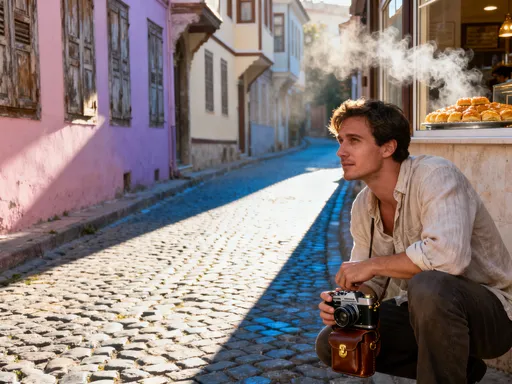
There is a quiet power in wandering without purpose. In a world where every journey is optimized and every sight ranked online, choosing to drift through a city with no agenda can feel radical. Yet this is precisely how Liège reveals itself—not through guidebook checklists, but in fleeting encounters, unexpected turns, and the subtle shifts in atmosphere from one street to the next. Unlike the polished elegance of Flanders or the formal charm of Wallonia’s capital cities, Liège occupies a unique cultural space. It speaks French with a distinctive local accent, carries the memory of steel mills and coal mines, and holds a fierce pride in its independence.
What makes Liège special is not grand monuments or UNESCO accolades, but its authenticity. The city resists easy categorization. It does not perform for tourists; it simply exists. This gives visitors who embrace slow exploration a rare opportunity—to witness urban life as it is, not as it is staged. The practice of aimless wandering becomes a form of deep listening. Each district speaks a different dialect of the city’s soul. Some hum with creative energy, others move at a gentler pace, rooted in tradition. All are shaped by the Meuse River, which cuts through the city like a silver thread, connecting yet also dividing communities.
For travelers, particularly those seeking meaningful experiences over photo opportunities, Liège offers a refreshing alternative. It invites you to put away the phone, step off the beaten path, and engage with the texture of daily life. You might pause at a corner bakery where elders debate politics over coffee, or follow the sound of accordion music drifting from a courtyard. These are not curated attractions—they are living moments. And it is in such unscripted interactions that the true spirit of a place takes root.
Carré – Where History Meets Modern Pulse
If Liège has a revitalized heart, it beats strongest in Carré, a dynamic district nestled along the eastern bank of the Meuse. Once an industrial backwater marked by warehouses and rail lines, Carré has undergone a remarkable transformation over the past two decades. Today, it stands as a symbol of urban renewal done with care—respecting the past while embracing innovation. The area centers around the redeveloped Place Saint-Lambert, once the site of a demolished cathedral, now a spacious public square that serves as a cultural and social hub.
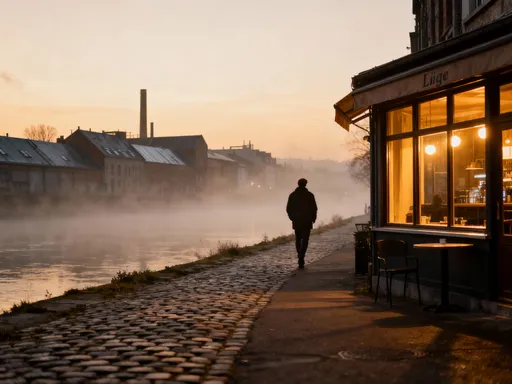
Walking through Carré feels like stepping into a carefully curated blend of old and new. Repurposed brick buildings house independent boutiques, design studios, and intimate cafés. Former factory spaces now host art exhibitions, pop-up markets, and experimental theater performances. The architecture tells a layered story—stone façades with original ironwork stand beside sleek glass additions, a visual metaphor for the district’s evolution. At dawn, the narrow lanes are quiet, bathed in soft light filtering between buildings. By midday, they come alive with the chatter of locals meeting for coffee, the clink of dishes from outdoor terraces, and the occasional melody of a street musician near the fountain.
One of the most evocative experiences in Carré is the scent of freshly roasted coffee that drifts through the air, especially in the early hours. It emanates from small artisan roasteries tucked into former storage units, where baristas craft rich brews using beans sourced from sustainable farms. These spaces are more than places to drink—they are community anchors, where neighbors gather to share stories and ideas. The district also draws young professionals and creatives, drawn by its vibrant energy and walkable design. Yet despite its modernization, Carré has not become sterile or overly commercial. There remains a human scale to the neighborhood—a sense that life here unfolds at a thoughtful pace.
Evening brings another dimension. As the sun sets behind the hills surrounding Liège, the stone buildings glow in warm hues, and the square fills with people enjoying dinner outdoors or attending open-air concerts. Carré does not try to be Paris or Lyon—it carves its own identity, one rooted in local pride and creative reinvention. For visitors, it offers a perfect starting point: accessible, engaging, and full of small discoveries waiting just around the corner.
Outremeuse – The Free-Spirited Soul of Liège
To cross the Pont de Fragnée into Outremeuse is to enter a different world—one with its own rhythm, language, and spirit. This historic neighborhood, perched on the western bank of the Meuse, has long been a bastion of working-class identity and cultural resistance. Known for its narrow, winding streets, brightly painted houses, and deep sense of community, Outremeuse feels less like a city district and more like a village that refuses to be absorbed by urban expansion. Its name, meaning “beyond the Meuse,” speaks to its geographical and cultural separation from the city center.
Outremeuse wears its history proudly. Once home to fishermen, artisans, and laborers, it has maintained a defiant independence that locals cherish. This spirit is most visible during Cwarmê, Liège’s annual carnival that dates back centuries. In February, the neighborhood erupts in color and sound as residents don elaborate costumes, parade through the streets, and celebrate with music, food, and satire. The event is not a tourist spectacle but a deeply local tradition—one that reinforces community bonds and keeps regional folklore alive. Even outside carnival season, traces of this creativity remain: vibrant murals depicting local legends, whimsical sculptures tucked into alleyways, and hand-painted signs advertising neighborhood gatherings.
The heart of daily life in Outremeuse beats in its brasseries and balcons—small, family-run wine cellars where neighbors gather to drink, talk, and play cards. These intimate spaces, often no larger than a living room, are filled with the warmth of shared stories and the rich aroma of regional wines. Unlike formal restaurants, balcons operate on trust and familiarity. Visitors are welcome, but the experience feels earned, not sold. Sitting among locals, sipping a glass of Côtes de Sambre, one gains a rare glimpse into the unguarded side of Liège.
The riverbank paths here offer peaceful walks shaded by trees, where ducks glide across quiet eddies and children fly kites on weekends. Public benches line the water’s edge, inviting moments of stillness. Outremeuse does not rush. It breathes. It remembers. And in doing so, it offers a powerful counterpoint to the faster rhythms of modern life. For those willing to slow down, it delivers a profound sense of place—one built not on grand gestures, but on continuity, connection, and quiet pride.
Sclessin – Grit, Growth, and Community Revival
Further south along the Meuse lies Sclessin, a district shaped by industry and now redefining itself through community action. Once dominated by steelworks and manufacturing plants, Sclessin bore the weight of economic decline when factories closed in the late 20th century. Abandoned warehouses and rusting infrastructure marked the landscape, and the area faced challenges common to post-industrial zones: unemployment, disinvestment, and social marginalization. Yet in recent years, a quiet transformation has taken root—one driven not by top-down development, but by grassroots determination.
Today, Sclessin is a living laboratory of urban regeneration. Artists, activists, and local residents have reclaimed neglected spaces, turning them into studios, workshops, and cultural centers. Old factory buildings now host music rehearsals, pottery classes, and neighborhood meetings. One notable example is a former industrial hall converted into a multi-use creative hub, where young designers collaborate with veterans of the steel industry to produce furniture from recycled metal. This blending of past and present honors the district’s heritage while forging new paths forward.
Community gardens have sprung up on vacant lots, transforming barren patches into thriving green spaces. Residents grow vegetables, herbs, and flowers, sharing harvests and knowledge across generations. These gardens are more than sources of fresh produce—they are sites of social connection, where language barriers dissolve over shared tasks and children learn about sustainability firsthand. Local schools partner with garden coordinators to offer outdoor education, reinforcing the idea that urban renewal begins with care for both people and place.
Street art plays a significant role in Sclessin’s rebirth. Murals depict industrial history, environmental themes, and portraits of local figures, turning blank walls into storytelling canvases. Unlike graffiti born of neglect, this art is collaborative, often created through workshops involving youth and elders. It reflects a community that sees beauty in resilience and strength in solidarity. Public art walks now draw visitors interested in authentic urban narratives, yet tourism remains secondary to local needs. Sclessin does not perform for outsiders—it rebuilds for itself, one project, one conversation, one garden at a time.
Coronmeuse – Riverside Tranquility and Local Life
Nestled between the Meuse River and the forested slopes of the Côte de Saint-Barthélemy, Coronmeuse offers a striking contrast to the energy of central Liège. This residential neighborhood exudes calm, with tree-lined avenues, single-family homes, and well-tended gardens. It is a place where daily life unfolds at a gentle pace—where joggers move steadily along the riverside towpath, cyclists wave to neighbors, and grandparents push strollers through quiet parks. While less flashy than Carré or culturally charged as Outremeuse, Coronmeuse reveals another essential facet of Liège: the value of stability, nature, and everyday comfort.
The river defines Coronmeuse’s character. Its wide, slow-moving waters reflect the changing sky, creating a sense of openness and serenity. Benches face the water, inviting moments of reflection. In spring, cherry blossoms line the promenade; in autumn, golden leaves drift onto the path. The district’s proximity to the Citadel, perched high above the city, adds to its scenic appeal. From certain vantage points, one can see the fortress’s silhouette against the horizon, a reminder of Liège’s layered history.
Families are drawn to Coronmeuse for its safety, green spaces, and access to nature. Children play in playgrounds shaded by chestnut trees, while community events—open-air film screenings, seasonal markets, and neighborhood clean-up days—foster a strong sense of belonging. Local cafés cater to residents rather than tourists, offering simple menus and warm service. There is no pretense here, only a quiet dedication to quality of life.
Yet Coronmeuse is not isolated. Buses and bike lanes connect it seamlessly to the rest of the city, ensuring residents remain engaged with Liège’s broader pulse. Many who work in the city center choose to live here precisely because it offers balance—a retreat without disconnection. For visitors, a walk through Coronmeuse provides a rare glimpse into the residential soul of Liège, where the beauty lies not in spectacle, but in the rhythm of ordinary life unfolding with dignity and care.
The Role of the Meuse River in Shaping District Identities
The Meuse River is more than a geographic feature—it is the lifeblood of Liège, shaping not only its economy and layout but also the identity of each district it touches. Flowing from France through Belgium and into the Netherlands, the Meuse has long served as a corridor for trade, transport, and cultural exchange. In Liège, its presence is felt in every neighborhood, yet its influence varies dramatically depending on location. For some, it is a source of industry; for others, a place of leisure, reflection, or inspiration.
In Carré, the riverbank has been transformed into a vibrant public space, where people gather to dine, stroll, or attend festivals. Wide walkways, modern lighting, and scenic overlooks make it accessible and inviting. In Sclessin, remnants of the industrial past remain visible—old cranes, repurposed docks, and the skeletal frames of former factories—reminders of the river’s role in powering the region’s economy. Here, regeneration efforts include restoring ecological health, with new wetlands and native plantings supporting birdlife and improving water quality.
In Outremeuse, the river feels wilder, less tamed. Narrow paths follow its curves, and small boats still dot the water, used by hobbyists and fishermen. The connection here is intimate, almost familial. Residents speak of the river as a companion, one that has witnessed generations come and go. In Coronmeuse, the Meuse offers tranquility. The water moves slowly, mirroring the unhurried pace of life. Joggers, dog walkers, and cyclists share the towpath, creating a shared rhythm of movement and stillness.
Recent urban planning initiatives have focused on enhancing public access to the river, breaking down physical and psychological barriers that once separated neighborhoods from the water’s edge. Footbridges, viewing platforms, and ecological education programs reflect a growing commitment to sustainability and community well-being. From a boat, one can see how the city unfolds along the river’s curve—each district distinct, yet bound together by the same flowing thread. The Meuse does not erase differences; it connects them, allowing diversity to coexist within a shared landscape.
Practical Wandering: How to Explore Liège’s Districts Like a Local
To truly experience Liège, one must adopt the mindset of a wanderer—curious, patient, and open to surprise. While maps and apps have their place, the best discoveries often come from stepping off planned routes and following intuition. Begin in Carré, where the energy is inviting and the layout intuitive. Walk early in the morning to witness the district awaken, or in the evening when the squares fill with life. From there, cross the Meuse via Pont de Fragnée to enter Outremeuse, allowing yourself to get slightly lost in its maze-like streets.
Comfortable walking shoes are essential. The city is hilly, and many paths are paved with uneven stone. Dress in layers, as weather can shift quickly, especially near the river. Public transportation is reliable—buses connect all major districts, and bike-sharing stations are increasingly common. Yet nothing compares to exploring on foot, where senses remain fully engaged. Follow street art, the scent of baking bread, or the sound of laughter from a courtyard.
Engage with locals when the moment feels right. A smile and a simple “Bonjour” go a long way. Many residents appreciate genuine interest in their neighborhood. Don’t hesitate to ask for recommendations—where to find the best boudin blanc, a hidden garden, or a quiet bench with a view. These small interactions often lead to the most memorable experiences.
Timing matters. Weekday mornings offer a glimpse into daily routines—market vendors setting up stalls, parents walking children to school. Weekends bring community events, from open-air markets to music performances. Avoid peak tourist seasons if possible; Liège is best experienced when it is living for itself, not for visitors. Bring a reusable water bottle, a light snack, and a sense of adventure. Let the city guide you. Trust that getting slightly turned around is not a mistake, but part of the journey. In Liège, the in-between spaces—alleyways, courtyards, riverbanks—are where the soul of the city truly resides.
Finding the True Face of Liège in Its Neighborhoods
Liège does not reveal itself all at once. Its essence is not captured in a single landmark or panoramic view, but in the accumulation of small, quiet moments—the steam rising from a café window, the laughter spilling from a balcony, the way sunlight strikes a cobblestone street after rain. To wander through its districts is to piece together a portrait of a city that is resilient, evolving, and deeply human. Each neighborhood contributes a different hue to the whole, creating a tapestry rich in contrast and continuity.
What emerges is a city that refuses simplification. It is neither purely industrial nor entirely post-industrial, neither tourist-centric nor closed off. It exists in the space between, shaped by memory and momentum. Its strength lies in its authenticity—its willingness to show scars, celebrate reinvention, and honor everyday life. In an age of homogenized urban experiences, Liège stands apart, offering something rare: a place where soul still matters.
For travelers, particularly those seeking depth over spectacle, Liège is a quiet revelation. It asks not for admiration, but for attention. It rewards slowness, curiosity, and respect. To explore its districts is to participate in a living story—one written not in brochures, but in the footsteps of those who call it home. In the end, the true face of Liège is not found in any single view, but in the collective heartbeat of its neighborhoods, each pulsing with its own rhythm, yet united by the river, the history, and the enduring spirit of community.