You Won’t Believe These Hidden Food & Photo Gems in Plovdiv
Stepping into Plovdiv feels like flipping through a living storybook—ancient cobbles whisper history, while vibrant murals and sun-drenched plazas beg to be photographed. But what truly stole my heart? The unexpected harmony between its visual charm and rich food culture. Every alleyway café, market stall, and hilltop terrace isn’t just a pretty frame—it’s a flavor waiting to be tasted. This is where photography and cuisine collide in the most delicious way. More than a destination, Plovdiv offers a sensory journey that lingers long after you’ve packed your camera away.
Discovering Plovdiv: A City That Blends History and Flavor
Plovdiv, nestled in the central-southern region of Bulgaria, stands as one of Europe’s oldest continuously inhabited cities, with roots stretching back over 6,000 years. Layered beneath its streets are remnants of Thracian settlements, Roman amphitheaters, and Ottoman-era homes, each era leaving an indelible mark on the city’s character. This deep historical tapestry isn’t confined to museums—it spills into everyday life, shaping both the architecture and the flavors found in local kitchens. For travelers seeking authenticity, Plovdiv offers a rare balance: a place where ancient stones meet modern creativity, and tradition is not preserved behind glass but lived, tasted, and shared.
What makes Plovdiv especially compelling is how seamlessly its past integrates with contemporary life. Unlike cities where history is isolated in tourist zones, here the old and new coexist in dynamic harmony. A 19th-century merchant house might now house a design-forward café, while a Roman aqueduct stands quietly beside a bustling vegetable market. This authenticity resonates with travelers who value meaningful experiences over checklist tourism. It’s a city that rewards curiosity, inviting visitors to explore beyond postcard views and discover the soul of Bulgaria through its streets, stories, and seasons.
The city’s growing appeal among European travelers is no accident. Named the European Capital of Culture in 2019, Plovdiv underwent thoughtful revitalization that enhanced its infrastructure without compromising its charm. Pedestrian zones were expanded, historic buildings restored, and public art installations introduced—all while preserving the intimate scale that makes wandering so rewarding. For women travelers, particularly those in the 30–55 age group who value safety, cultural depth, and enriching experiences, Plovdiv presents an ideal destination. It’s walkable, welcoming, and rich with opportunities to connect—with art, with people, and with the quiet rhythm of daily life.
The Old Town: Cobblestone Charm Meets Culinary Soul
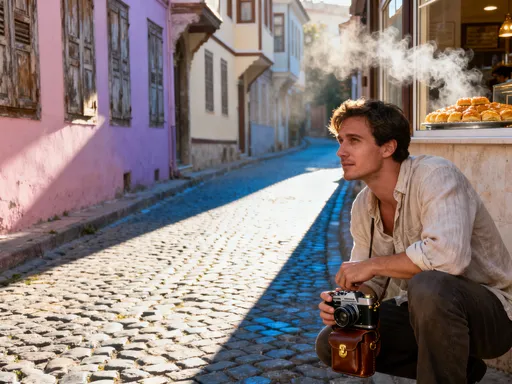
Plovdiv’s Old Town, perched on three ancient hills, is a masterpiece of preservation and charm. Its narrow, winding streets are lined with pastel-hued houses featuring carved wooden eaves, ornate shutters, and flower-filled balconies. Walking through this district feels like stepping into a watercolor painting, where every turn reveals a new vignette: a sunlit courtyard, a weathered stone archway, or a hidden garden spilling over a centuries-old wall. The craftsmanship of National Revival-era architecture is evident in the intricate woodwork and warm, earth-toned facades that glow in the afternoon light, creating endless opportunities for evocative photography.
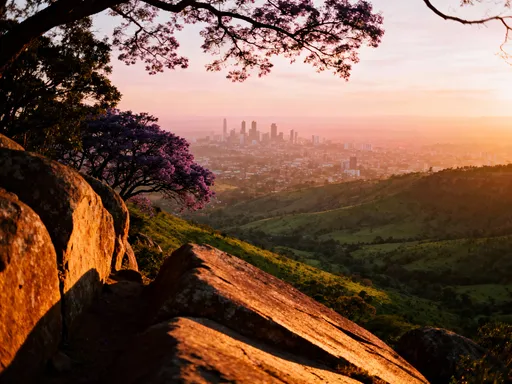
One of the most magical times to explore is early morning, when the streets are quiet and the golden light filters through the trees. Nebet Tepe, one of the city’s seven historic hills, offers a panoramic view of the red-tiled rooftops stretching toward the Rhodope Mountains. From this vantage point, the city unfolds like a living map, with layers of history visible in the contrast between ancient ruins and modern life. Nearby, the remains of the Roman Stadium are seamlessly embedded into the sidewalk—a powerful reminder that Plovdiv’s past is not just remembered but physically present in the present.
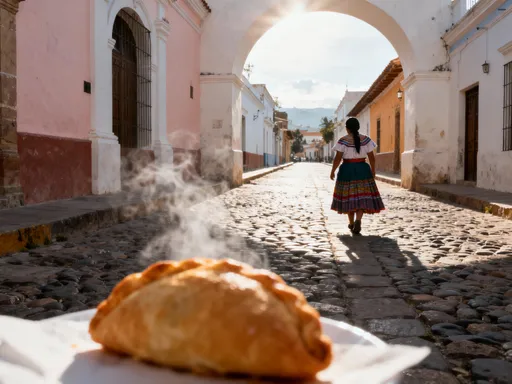
Equally compelling is the Old Town’s culinary heartbeat. Tucked within its alleys are family-run taverns known as *mehanas*, where generations have perfected traditional Bulgarian dishes. Here, travelers can savor *kavarma*, a rich stew of pork or chicken slow-cooked with onions, peppers, and spices in a clay pot, served bubbling hot at the table. Equally iconic is *banitsa*, a flaky pastry made with layers of filo dough and filled with feta-like sirene cheese, often enjoyed with yogurt for breakfast. These meals are more than sustenance—they are rituals, shared with warmth and pride.
The connection between place and plate is unmistakable. Dining in a 19th-century home, surrounded by antique furnishings and the scent of wood smoke, deepens the experience. It’s not just about taste; it’s about immersion. The same hands that preserve the architecture often prepare the food, ensuring that both are rooted in authenticity. For visitors, this means every photograph taken in the Old Town is paired with a sensory memory—the sound of clinking glasses, the aroma of roasting meat, the laughter from a nearby table. Plovdiv teaches that beauty is not only seen but also tasted and felt.
Kapana District: Street Art, Cafés, and Local Flair
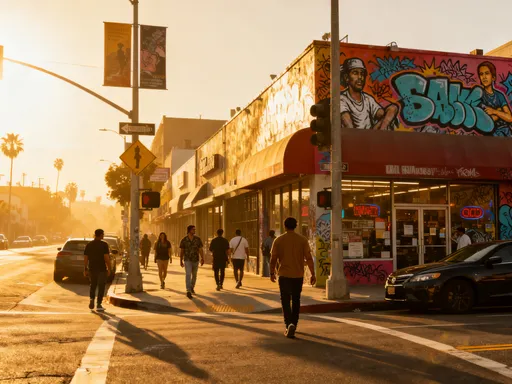
Just a short walk from the Old Town lies Kapana, Plovdiv’s creative pulse. Once an industrial neighborhood, Kapana—meaning “the trap”—has transformed into a vibrant cultural quarter known for its artistic energy and independent spirit. The name, historically referring to the maze-like streets that once trapped invaders, now symbolizes the district’s ability to captivate visitors with its unexpected turns and hidden gems. Today, Kapana is a canvas for self-expression, where colorful murals cover entire building facades, and repurposed warehouses host design studios, craft workshops, and experimental galleries.
Photographers will find endless inspiration here. The murals range from whimsical characters to powerful social commentary, each telling a story through bold lines and vibrant hues. One iconic piece depicts a woman weaving the city’s skyline into a tapestry, symbolizing Plovdiv’s role as a cultural weaver. Courtyards once used for storage now bloom with greenery and string lights, serving as intimate settings for evening gatherings. Street signs double as art installations, and even manhole covers are painted with playful motifs. The best approach is to wander without a map—letting curiosity guide you to tucked-away cafés, boutique bookshops, and open-air exhibitions.
Kapana’s food scene mirrors its creative ethos. This is where tradition meets innovation, and Bulgarian flavors are reimagined with modern flair. Third-wave coffee shops serve expertly roasted beans in minimalist spaces, often with baristas happy to explain their brewing methods. Craft beer pubs feature locally brewed ales with names inspired by folklore, such as “Zmey’s Gold” or “Perun’s Thunder.” Restaurants offer updated takes on classics—think grilled eggplant rolls stuffed with herbed cheese or rose-infused lamb served with wild greens.
What makes Kapana special is its authenticity. Unlike curated tourist zones, this district feels lived-in and genuine. Artists work in open studios, children play in shared courtyards, and neighbors gather for impromptu music sessions. It’s a place where creativity isn’t performative but part of daily life. For women travelers, Kapana offers a safe, engaging environment to explore independently, strike up conversations, and capture candid moments of urban life. The district proves that culture isn’t static—it evolves, adapts, and thrives when given space to breathe.
Market Days: Where Taste and Texture Come Alive
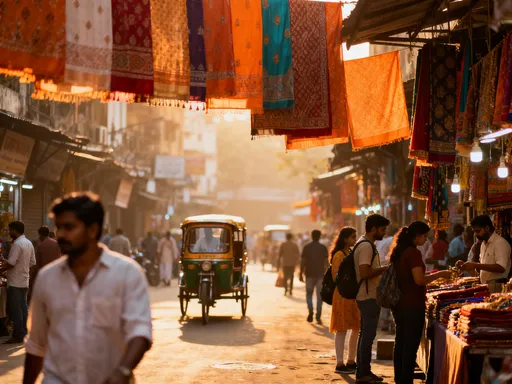
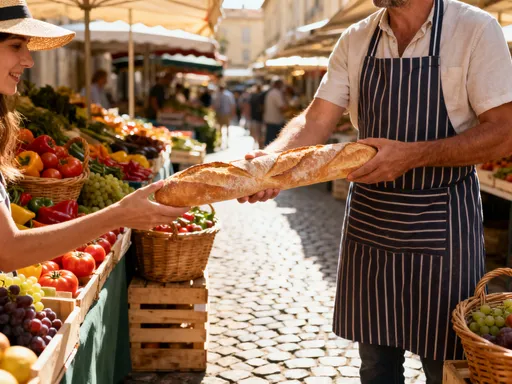
No visit to Plovdiv is complete without a morning spent at one of its bustling farmers’ markets. These open-air spaces are more than places to buy food—they are vibrant social hubs where locals gather, stories are exchanged, and the rhythms of seasonal life are on full display. The Central Market Hall and the nearby street markets overflow with color: pyramids of ripe tomatoes, baskets of wild mushrooms, jars of golden honey, and wheels of aged cheese stacked like stone artifacts. The air hums with the scent of fresh bread, dill, and roasting peppers, creating a sensory experience that lingers in memory.
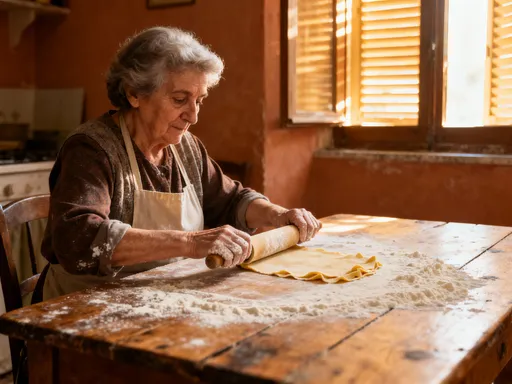
Photographically, markets offer some of the richest material in the city. The textures are endless—rough-hewn wooden crates, glistening eggplants, wrinkled red peppers, and the soft folds of handmade linens. Early morning is the ideal time to visit, when the light is soft and the stalls are freshly arranged. Vendors, often dressed in practical aprons and scarves, welcome visitors with warm smiles and generous samples. A grandmother might offer a taste of her homemade ajvar, a smoky red pepper relish, while proudly explaining her recipe has been in the family for decades. These moments, fleeting yet profound, are the heart of travel photography.
The market experience also connects travelers to Bulgaria’s deep-rooted farm-to-table tradition. Most produce is grown within a short radius of the city, often by small family farms that use sustainable practices. Seasonality dictates the offerings: spring brings tender greens and wild herbs, summer overflows with stone fruits and berries, autumn features pumpkins and walnuts, and winter showcases preserved goods like pickled vegetables and cured meats. This closeness to the land fosters a respect for ingredients that is evident in every meal.
For visitors, shopping at the market isn’t just about souvenirs—it’s an invitation to participate. Many guesthouses and cooking schools offer market tours followed by hands-on classes, where travelers learn to make dishes like stuffed peppers or homemade yogurt. These experiences create lasting connections, transforming a simple meal into a story of shared effort and cultural exchange. In a world where food is often mass-produced and anonymous, Plovdiv’s markets remind us of the dignity and beauty in knowing where our food comes from.
Rozova Dolina (Valley of Roses): Beyond the City’s Edge
A short drive from Plovdiv lies one of Bulgaria’s most enchanting landscapes—the Valley of Roses, or Rozova Dolina. Stretching across the foothills of the Balkan Mountains, this region is world-famous for producing the finest rose oil, particularly from the delicate pink Damask rose. Each spring, typically from late May to early June, the fields explode into a sea of soft pink blossoms, their fragrance carried on the breeze for miles. For photographers, this is a dream destination: endless rows of roses under soft morning light, dewdrops catching the sun, and farmers gently harvesting blooms by hand at dawn.
The visual poetry of the valley is matched by its cultural significance. The rose harvest is a centuries-old tradition, and the process of extracting rose oil—requiring thousands of petals for just one gram—is a testament to patience and craftsmanship. Visitors can tour family-run distilleries to witness the steam extraction process, where the essence of the rose is captured in golden vials. These oils are used in high-end perfumes, cosmetics, and even some traditional medicines, making Bulgaria a global leader in natural fragrance production.
But the influence of the rose extends beyond scent. In Plovdiv’s kitchens, rose petals are used to flavor desserts, syrups, and teas. One beloved treat is rose petal jam, a fragrant preserve often served with pancakes or cheese. Local bakers incorporate rose water into pastries, while cafes offer rose-infused lemonade and herbal infusions. Even savory dishes sometimes feature a subtle floral note, balancing richness with elegance. This deep integration of a single ingredient into both economy and cuisine illustrates how place shapes identity.
For travelers, a visit to the Valley of Roses is both a visual and emotional journey. It’s a reminder of nature’s quiet power and the human hands that nurture it. Whether capturing wide-angle shots of blooming fields or close-ups of dew-covered petals, photographers find themselves slowing down, attuning to the rhythm of the land. It’s a place that invites reflection—a pause in the pace of modern life to appreciate beauty in its most delicate form.
Sunset at Hisarya Gate & Dining Under the Stars
As the day winds down, one of Plovdiv’s most photogenic moments unfolds at Hisarya Gate, a well-preserved section of the ancient Roman city walls. During golden hour, the warm light bathes the stone in a soft amber glow, casting long shadows and highlighting the texture of centuries-old masonry. Unlike more crowded landmarks, this site offers a peaceful setting for contemplation and photography. No tripod is needed—modern smartphones, when stabilized on a wall or bench, can capture stunning long exposures that emphasize the play of light and shadow.
Nearby, garden restaurants come alive with the hum of conversation and the sizzle of grills. These open-air eateries, often set in restored courtyards or vine-covered patios, offer an ideal setting for slow, communal dining. Menus feature grilled *kebapche* (spiced minced meat sausages), *meshana skara* (mixed grill platters), and fresh salads made with tomatoes, cucumbers, and onions dressed in sunflower oil and vinegar. Local wines, particularly the bold reds from the nearby Thracian Valley, are poured generously, enhancing the convivial atmosphere.
This evening ritual embodies *gostoprimstvo*, the Bulgarian concept of hospitality. Meals are not rushed but savored, often lasting hours as dishes arrive in waves and stories are exchanged. Strangers at neighboring tables might share a bottle of wine or recommend a hidden viewpoint. There’s a sense of generosity and ease that puts visitors at home. For women traveling solo or with friends, this warmth creates a safe, welcoming environment where connection feels natural.
Dining under the stars in Plovdiv is more than a meal—it’s a cultural immersion. The combination of ancient surroundings, flavorful food, and unhurried conversation creates a deep sense of belonging. It’s in these moments that travel transcends sightseeing and becomes something more meaningful: a shared human experience, rooted in place and presence.
Capturing Culture: Tips for Photographing Food and Life in Plovdiv
Photography in Plovdiv is not just about capturing landmarks—it’s about telling stories. Whether you’re using a smartphone or a DSLR, the key is to approach your camera as a tool for connection rather than just documentation. Natural light is your greatest ally. In the Old Town, shoot during the “golden hours” of early morning and late afternoon when the sun casts a warm, diffused glow. In Kapana, overcast days can enhance the colors of murals without harsh shadows.
When photographing food, try shooting from above for flat lays that showcase the arrangement of dishes—ideal for market scenes or restaurant tables. Capture details: steam rising from a clay pot, hands kneading dough, or a spoon dipping into a jar of honey. These close-ups add intimacy and narrative depth. Always ask permission before photographing people, especially vendors or families dining. A smile and a simple gesture often lead to warm exchanges and even invitations to taste.
Engaging respectfully with locals enriches both your photos and your experience. Many Bulgarians appreciate genuine interest in their culture. Learning a few phrases in Bulgarian—like “Blagodarya” (thank you) or “Moga li da napravya snimka?” (Can I take a photo?)—goes a long way. When people feel respected, they’re more likely to share their stories, offering insights that no guidebook can provide.
Remember, the best souvenirs aren’t bought—they’re tasted, smelled, and remembered. A photograph of a rose field is beautiful, but the memory of its scent, the cool morning air, and the sound of harvesting is what truly endures. Let your camera guide you deeper into the moment, not just to record it, but to live it more fully.
Conclusion: Why Plovdiv Stays With You Long After You Leave
Plovdiv doesn’t just impress—it lingers. Long after the journey ends, you’ll find yourself recalling the warmth of a shared meal, the quiet beauty of a sunlit courtyard, or the delicate fragrance of a rose petal. This city engages all the senses, offering a travel experience that is both enriching and deeply human. It’s a place where history isn’t frozen but lived, where art isn’t confined to galleries but painted on walls, and where food isn’t just eaten but celebrated.
What makes Plovdiv truly special is its ability to balance authenticity with accessibility. It’s a city that welcomes travelers with open arms, inviting them not just to see, but to participate. Whether you’re capturing the perfect shot of a mural, sipping coffee in a hidden café, or learning to make banitsa from a local grandmother, you’re not just visiting—you’re connecting.
For women seeking a destination that is safe, culturally rich, and visually inspiring, Plovdiv stands apart. It offers the rare gift of slowing down, of noticing details, and of finding joy in simple moments. It reminds us that the heart of travel lies not in how many places we see, but in how deeply we feel them.
So pack your camera, bring your curiosity, and open your palate. Let Plovdiv surprise you with its quiet magic, where every stone, every flavor, and every smile tells a story waiting to be discovered.