Lost in the Flavors of Sucre: A Wanderer’s Feast
You know that feeling when you stumble into a place and it just hits you? Sucre, Bolivia did that to me—quiet, sunlit streets, the hum of local life, and this wild, delicious food hiding in plain sight. I wasn’t searching for a culinary adventure, but wow, did I find one. From steaming salteñas at dawn to savory plato paceño in hidden courtyards, every bite felt like a secret whispered by the city itself. In Sucre, eating isn’t just sustenance; it’s a conversation with history, community, and the land. This is not a destination for flashy gourmet experiences, but for those willing to wander slowly, taste boldly, and listen closely, it offers a feast that lingers long after the journey ends.
First Impressions: The Soul of Sucre
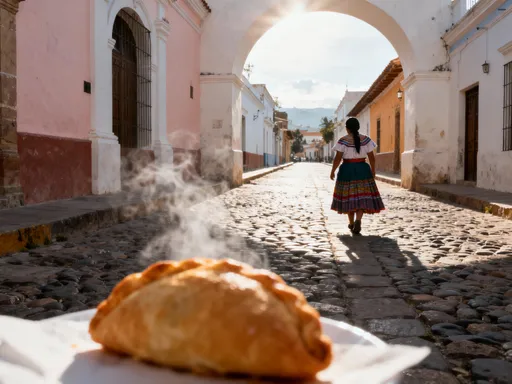
Sucre unfolds like a quiet poem written in whitewashed stone and cobblestone lanes. As Bolivia’s constitutional capital, it carries a certain dignity—its colonial architecture preserved with care, its plazas framed by arched walkways where locals sip tea and children chase pigeons. Yet unlike bustling La Paz or tourist-heavy Cusco, Sucre moves at a different pace. There’s no rush here, no pressure to check sights off a list. The city invites you to walk without a map, to turn down alleyways simply because they’re shaded, or pause on a bench because a breeze carries the scent of baking bread. This unhurried rhythm is central to its charm and essential to the kind of travel that leads to real discovery.
Every corner seems to hold a quiet surprise. A flower-filled courtyard opens behind an old wooden door. A street musician plays a gentle melody on a charango beneath a jacaranda tree. The light—clear, high-altitude, and golden—bathes the city in a soft glow each morning and late afternoon, making even ordinary moments feel cinematic. It’s in this atmosphere of calm that food becomes more than fuel. It becomes part of the exploration, a thread woven through daily life. You don’t come to Sucre to eat at famous restaurants; you come to eat where people live, to taste what they eat when no one is watching.
What makes Sucre unique is how accessible its authenticity feels. You don’t need a guidebook to find a good meal, just a willingness to follow your nose and smile at strangers. The city’s walkability enhances this—nearly everything of interest lies within a few hours’ stroll. This ease of movement allows for spontaneity, the kind that leads to chance encounters with street vendors, family-run eateries, and market stalls brimming with colors and aromas. In this way, Sucre rewards the curious traveler not with grand spectacles, but with intimate, flavorful moments that accumulate into a deeper understanding of Bolivian life.
Street Food Rhythms: Following the Aromas
If Sucre has a heartbeat, it beats strongest in its street food culture. Long before the sun climbs high, the city stirs with the scent of baking dough and simmering fillings. At dawn, women in aprons pull trays of salteñas from wood-fired ovens—Bolivia’s beloved handheld pies, often mistaken for empanadas but entirely their own. These are not crisp and dry, but juicy and steaming, with a slightly sweet dough that seals in a savory broth. The filling varies—beef, chicken, or even cheese and egg—but each bite delivers a burst of warmth that cuts through the morning chill.
What sets salteñas apart is their rhythm. They are not eaten all day, but belong to the early hours—typically from 6 to 10 a.m.—and are rarely found in restaurants. To enjoy one is to align with local time, to rise with the city’s bakers and office workers grabbing a quick, satisfying start to the day. Vendors set up near bus stops, market entrances, and busy intersections, their trays covered with cloth to keep the heat in. Locals know to tilt the pastry and take a small bite first, letting the steam escape and the broth flow into a spoon. It’s a ritual, passed down through generations, simple and unpretentious.
By midday, the street food shifts. The aroma of rice, cumin, and slow-cooked meat fills side streets as comedores—small, family-run lunch spots—open their doors. One of the most beloved dishes is majadito, a comforting mix of shredded beef, rice, raisins, and sometimes fried egg or diced carrots. It’s sweet and savory, rich but not heavy, often served with a side of fried plantains or a simple salad. These meals are not plated for Instagram; they are served on disposable plates at plastic tables, meant to be eaten quickly and with satisfaction. The price? Often less than two dollars. Yet the value is immeasurable—this is how Bolivians eat, day after day, and to share in it is to be welcomed, however briefly, into their world.
Hidden Comedores: Where Locals Dine
Some of Sucre’s best meals are found in places with no signs, no websites, and no English menus. Tucked into courtyards, behind unmarked doors, or up narrow staircases, these hidden comedores operate quietly, sustained by loyal customers and word of mouth. They are not designed for tourists, but for families, office workers, and elders who come for the same plate every day. To find one is to step into a different kind of travel—one built on trust, curiosity, and the simple act of pointing at what someone else is eating.
One such place, reached through a blue-painted archway off Calle Jaén, serves a version of chuño phuti that lingers in memory. Chuño is freeze-dried potato, a preservation method developed by the Andean people centuries ago to survive harsh winters. Rehydrated and simmered into a thick stew with beef, onions, and spices, it has a texture both earthy and comforting. The dish is humble, born of necessity, yet deeply flavorful. It speaks of resilience, of a relationship between people and land that stretches back to the Inca. In this small dining room, with ceiling fans turning slowly overhead and the sound of spoons against bowls filling the air, the past feels present.
Another favorite is sopa de maní, a creamy peanut soup that surprises first-time eaters with its depth. Unlike the sweet peanut dishes of other cuisines, this is savory, enriched with vegetables, potatoes, and sometimes a piece of beef. The peanuts are ground finely, giving the soup a velvety body that warms from within. It’s often served with a side of rice and a fried egg on top, making it a complete meal. What’s striking is how seasonal these dishes are—chuño phuti appears more in cooler months, while lighter soups and salads dominate in summer. This connection to the calendar, to weather and harvest, reminds visitors that Bolivian food is not standardized, but alive, changing with the rhythm of the year.
Markets as Culinary Theaters: Calero and Beyond
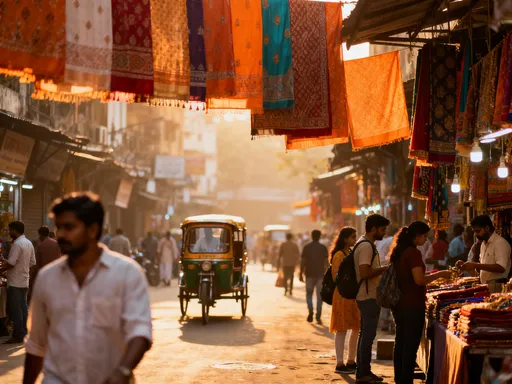
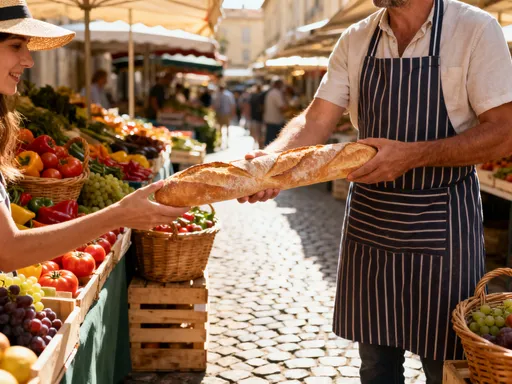
No visit to Sucre is complete without a morning spent in its markets, where food is not just sold but celebrated. Mercado Central, often called Mercado de Calero, is the city’s culinary heart—a sprawling network of stalls under corrugated metal roofs, alive with color, sound, and scent. Here, vendors display mountains of quinoa in shades from ivory to red, baskets of golden aguaymanto (Inca berries), and wheels of fresh cheese still dripping with whey. It’s a place of abundance, where the staples of Bolivian cuisine are laid bare in their most natural form.
Walking through Calero is an education. You’ll see women grinding spices in hand mills, men stacking bundles of sugar cane, and children helping pack potatoes into woven sacks. The air is thick with the smell of roasting corn, fresh herbs, and ripe fruit. Vendors call out specials in Quechua and Spanish, their voices blending into a steady hum. Bargaining is expected but gentle—more a ritual than a confrontation. A smile, a compliment on the produce, and a willingness to buy in small quantities go a long way. This is not a transactional space, but a social one, where relationships matter as much as prices.
Beyond Calero, smaller neighborhood markets offer a more intimate experience. In Mercado La Pampa or Mercado Chapi, the crowds are thinner, the pace slower. These are places where grandmothers buy ingredients for dinner and neighbors stop to chat. The produce is just as fresh, often sourced from nearby farms in the Chuquisaca valley. What’s remarkable is how these markets preserve traditional knowledge. Older women still know how to prepare chuño, how to identify the best quinoa, and which herbs aid digestion. Younger generations learn by watching, by helping, by eating. In this way, the market is not just a place to buy food, but a living classroom where culture is passed down one potato, one spice, one conversation at a time.
Coffee & Pastries: Sucre’s Quiet Indulgences
Amid the richness of Bolivian cuisine, there are moments meant for pause—small indulgences that balance the journey. Sucre’s café culture has grown steadily in recent years, offering cozy retreats where travelers and locals alike can rest, reflect, and recharge. These are not flashy espresso bars, but simple, warm spaces with wooden tables, soft lighting, and the steady aroma of freshly ground coffee.
Bolivia produces some of the finest Arabica beans in South America, grown in the Yungas and Tarija regions at high altitudes. In Sucre, you’ll find this coffee served black, in thick ceramic mugs, its flavor bright and slightly floral. It pairs perfectly with pasteles—small, sweet pastries filled with fruit or dulce de leche—or empanadas de queso, their golden crusts flaking at the touch. These treats are not heavy, but satisfying, designed to complement the coffee rather than overpower it.
One favorite spot, nestled on a quiet street near the university, has no name visible from the outside. Inside, students study, couples read, and solo travelers journal, all moving at the same unhurried pace as the city itself. The owner, a woman in her fifties, remembers regulars by name and brings extra cookies “for the road.” These cafés are more than places to drink—they are sanctuaries of calm, where time slows and connections form. They represent a quieter side of Sucre’s culinary identity, one that values comfort, conversation, and the simple pleasure of a well-made cup.
Cooking Like a Paceño: A Hands-On Taste
To eat in Sucre is to understand it, but to cook here is to belong, even if only for an afternoon. Several small culinary schools and home-based programs offer visitors the chance to step into a local kitchen and learn dishes like silpancho or lawa from scratch. These are not demonstration classes, but immersive experiences—kneading dough, grinding spices, and stirring pots under patient guidance.
Silpancho, one of Bolivia’s most iconic meals, is a hearty plate of rice, mashed potatoes, a thin breaded beef cutlet, fried egg, and a fresh tomato-onion salad. It’s colorful, satisfying, and deeply rooted in everyday life. Making it begins with pounding the meat to tenderness, then seasoning it with cumin, garlic, and paprika before frying. Each step carries meaning—the pounding softens not just the meat but the day’s stress; the spices carry memories of home. As you cook, stories unfold: a grandmother’s version, a child’s favorite, a festival tradition. Food here is never just food—it’s memory, identity, love made tangible.
Lawa, a lesser-known but equally meaningful dish, is a corn and cheese soup thickened with potatoes, often eaten during colder months. Preparing it involves toasting the corn first, a step that deepens its flavor and connects it to ancient Andean practices. As it simmers, the kitchen fills with a comforting aroma, and the group gathers close, sharing stories, laughter, and sometimes silence. By the time the meal is served, something has shifted. You’ve moved from observer to participant. You’ve tasted not just the dish, but the culture behind it—the patience, the care, the quiet pride of those who preserve these traditions.
Why Food Defines the Journey
In the end, what stays with you after Sucre is not just the taste of salteñas or the warmth of a peanut soup, but the feeling of connection. Eating like a local is one of the most intimate forms of travel. It requires humility—to sit at a plastic table, to try something unfamiliar, to accept a smile when words fail. But it offers something rare: a genuine encounter with a place and its people. In Sucre, where tourism is present but not overwhelming, this kind of travel is not only possible—it’s natural.
Food becomes a language all its own. It tells stories of survival, of celebration, of daily life. It reflects the land—its high-altitude crops, its seasonal rhythms, its blend of indigenous and colonial influences. To eat in Sucre is to listen to that story, to become part of it, even briefly. It’s a reminder that travel is not about collecting sights, but about deepening understanding. The most memorable journeys are not measured in miles, but in moments—sharing a meal with strangers, learning a recipe by hand, discovering a flavor that surprises and delights.
So let yourself get lost in Sucre. Skip the guidebook for an hour. Follow the scent of baking bread, accept an invitation to a backyard comedor, try the dish you can’t pronounce. Let the city feed you in every sense. Because in the end, the truest way to know a place is not by seeing it, but by tasting it—slowly, respectfully, one bite at a time. And when you leave, you won’t just carry memories. You’ll carry a deeper appreciation for the quiet, flavorful beauty of everyday life in the heart of Bolivia.