You Won’t Believe These Hidden Commercial Gems I Found in Los Angeles
Los Angeles isn’t just about Hollywood and beaches—it’s a city of neighborhoods buzzing with local energy and unique shopping scenes. I’ve explored its commercial pockets beyond the tourist maps, from sidewalk markets to designer boutiques tucked in plain sight. What makes these spots special isn’t just what they sell, but how they reflect LA’s diverse culture and laid-back rhythm. If you're looking to experience the city like someone who lives here, this journey is for you.
The Pulse of LA’s Neighborhood Hubs
Los Angeles thrives not only in its famous landmarks but in the quiet hum of everyday commerce that pulses through its neighborhoods. While tourists flock to the Walk of Fame or Santa Monica Pier, the true heartbeat of the city can be felt on corner plazas, in family-run markets, and along tree-lined boulevards where locals gather, shop, and connect. These commercial hubs are more than just places to buy goods—they are living reflections of community identity, shaped by generations of cultural exchange and neighborhood pride. Each plaza, strip mall, and pedestrian corridor tells a story, not through brochures or billboards, but through the rhythm of daily life.
Shifting focus from iconic attractions to street-level commerce offers a richer, more intimate travel experience. In neighborhoods like Highland Park, Atwater Village, and Westwood, commercial strips blend practicality with personality. A simple errand to buy groceries might lead to a conversation with a shopkeeper who’s lived in the area for decades or a spontaneous discovery of a decades-old bakery serving Mexican conchas alongside Armenian pastries. These moments of connection reveal the layered cultural fabric of Los Angeles, where no single influence dominates, but many coexist in harmony. The city’s strength lies in this diversity, and its commercial spaces are where it’s most vividly on display.
What sets these neighborhood hubs apart is their authenticity. Unlike curated shopping centers designed for mass appeal, these areas evolve organically, shaped by the needs and tastes of residents. A strip mall in Van Nuys might house a Korean skincare boutique next to a Cuban sandwich shop and a Persian rug cleaner. In Eagle Rock, a vintage clothing store shares a block with a yoga studio and a neighborhood bookstore. These combinations may seem unexpected, but they reflect the real, unfiltered character of LA. For the thoughtful traveler, these spaces offer a chance to move beyond observation and into participation—to become, even briefly, part of the community’s daily rhythm.
Moreover, these commercial areas often serve as vital social infrastructure. They are where neighbors meet, children run errands, and small business owners build legacies. The corner market isn’t just a place to buy milk—it’s a hub for gossip, advice, and occasional acts of kindness. The laundromat doubles as a place to catch up on local news. These functions may go unnoticed by passersby, but they are essential to the neighborhood’s resilience. By visiting and supporting these spaces, travelers do more than shop—they contribute to the sustainability of communities that define the soul of Los Angeles.
Exploring Melrose Avenue: Style, Street Art, and Surprise
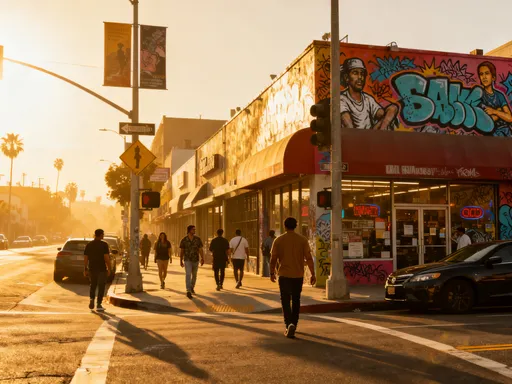
Melrose Avenue stands as one of Los Angeles’ most dynamic commercial corridors, a place where high fashion meets underground creativity in a vibrant, ever-changing landscape. Stretching from Fairfax to La Brea, this stretch of road is a magnet for style-seekers, artists, and curious wanderers. By day, the avenue hums with boutique shoppers browsing designer labels and curated vintage collections. By night, the energy shifts as street artists tag alleyways and pop-up galleries draw small crowds beneath string lights. What makes Melrose truly unique is its ability to balance commercial appeal with artistic authenticity, creating a space that feels both curated and spontaneous.
The contrast between the polished storefronts and the raw creativity of its side streets is striking. On the main drag, visitors will find internationally recognized brands, luxury consignment shops, and flagship stores offering everything from limited-edition sneakers to handcrafted jewelry. Just steps away, however, lie graffiti-covered alleys where independent artists sell screen-printed tees, handmade ceramics, and custom artwork. These informal markets thrive on creativity and individuality, offering one-of-a-kind pieces that can’t be found in any mall. This duality—between the commercial and the countercultural—is what gives Melrose its enduring appeal.
Foot traffic varies significantly depending on the time of day and week. Weekday afternoons tend to be more relaxed, ideal for browsing without the press of crowds. Shop owners are often more available for conversation, happy to share stories about their inventory or the history of the neighborhood. Weekends, especially Saturdays, bring a surge of visitors—tourists, influencers, and local families—transforming the avenue into a lively street festival of sorts. While the energy is infectious, those seeking a more reflective experience may prefer the quieter hours, when the pace allows for deeper exploration and personal discovery.
Pricing on Melrose reflects its diverse offerings. High-end boutiques feature price tags that match their designer labels, while vintage and thrift stores offer more accessible options for budget-conscious shoppers. The key is knowing where to look. Some of the best finds come from unassuming storefronts tucked between more prominent shops—hidden gems that reward the patient and observant traveler. Whether searching for a rare denim jacket, a hand-painted sign, or a retro lamp, Melrose invites exploration with the promise that something unexpected is always just around the corner.
The Rise of The Grove and Farmers Market: Tourist-Friendly, Yet Timeless
Few commercial destinations in Los Angeles blend accessibility, charm, and variety quite like The Grove and the adjacent Original Farmers Market. Located near Fairfax and 3rd Street, this iconic pairing has drawn visitors for generations, evolving from a simple produce market into a full-scale destination that balances nostalgia with modern convenience. What makes this area enduringly popular is not just its shopping and dining options, but the way it fosters a sense of place—a walkable, open-air environment where people of all ages gather to eat, stroll, and linger.
The Original Farmers Market, established in 1934, remains a cornerstone of LA’s culinary culture. Its cobblestone pathways wind past dozens of food vendors offering everything from handmade tamales and roasted nuts to gourmet grilled cheese and fresh-squeezed lemonade. The air is rich with the scent of sizzling garlic, baking bread, and citrus, creating a sensory experience that feels both comforting and exciting. Families picnic on benches, couples share plates at communal tables, and solo visitors browse with shopping bags in hand. It’s a place where time slows, encouraging visitors to savor not just the food, but the atmosphere.
Adjacent to the market, The Grove elevates the experience with its elegant design and curated retail mix. Palm-lined walkways, a historic trolley car, and a central fountain create a picturesque setting that feels both upscale and welcoming. Here, shoppers can find well-known brands alongside specialty stores offering home goods, gifts, and California-made products. The layout encourages wandering, with wide sidewalks and shaded seating areas that invite rest and conversation. Unlike enclosed malls, The Grove’s open-air concept allows natural light and fresh air to flow freely, enhancing the overall sense of well-being.
One of the area’s greatest strengths is its accessibility. Served by multiple bus lines and the Metro D Line subway station at Wilshire/Fairfax, The Grove is easy to reach without a car—a rare convenience in a city known for traffic. This accessibility broadens its appeal, drawing not only tourists but also locals from surrounding neighborhoods. Whether visiting for a Saturday brunch, a weekday errand, or an evening stroll, the space accommodates a range of rhythms and purposes. It’s a place that manages to feel both timeless and contemporary, rooted in history yet continuously refreshed to meet the needs of a changing city.
Koreatown’s Commercial Energy: Where Nightlife Meets Daily Life
Koreatown, or K-town as it’s affectionately known, operates on a 24-hour rhythm, where commerce, culture, and community intertwine in a vibrant urban tapestry. Stretching roughly from Olympic Boulevard to 3rd Street and bounded by Vermont and Western Avenues, this neighborhood pulses with energy at all hours. Boba tea shops stay open past midnight, convenience stores glow with neon signs, and karaoke lounges hum with song well into the early morning. Yet, amid the nightlife, daily life continues—residents shop for groceries, drop off dry cleaning, and pick up prescriptions, creating a commercial ecosystem that is both dynamic and deeply rooted in routine.
The commercial strips along Western Avenue and Olympic Boulevard serve as the neighborhood’s main arteries, lined with businesses that cater to both immediate needs and leisure. Supermarkets like HMart and K-Ranch offer an impressive array of imported goods—from fresh kimchi and seaweed snacks to Japanese snacks and Chinese sauces—making them destinations in their own right. These stores are more than places to shop; they are cultural hubs where language, tradition, and taste converge. Even for visitors unfamiliar with Korean cuisine, browsing the aisles offers a sensory education in flavors, textures, and packaging styles from across Asia.
Smaller convenience stores and mini-marts add to the neighborhood’s commercial density, their shelves packed with drinks, instant noodles, and seasonal treats. The signage, often in Korean with English translations, reflects the bilingual reality of the community. Clerks greet regulars by name, and delivery drivers weave through traffic with insulated bags of boba and Korean fried chicken. The pace is brisk, but the atmosphere remains welcoming. For visitors, stepping into one of these stores is like entering a microcosm of K-town itself—efficient, lively, and full of small pleasures.
What makes Koreatown’s commercial scene especially compelling is its integration of work and play. A daytime visit might include a stop at a casual eatery for spicy jjigae or a warm bowl of bibimbap. By evening, the same block transforms as restaurants fill with groups celebrating birthdays, coworkers unwinding after shifts, and friends reuniting over soju and grilled meat. The transition is seamless, a testament to the neighborhood’s ability to serve multiple functions at once. For the traveler, this duality offers a rare glimpse into a community where commerce supports not just survival, but celebration, connection, and joy.
Santa Monica’s 3rd Street Promenade: Balancing Tourism and Authenticity
The 3rd Street Promenade in Santa Monica stands as a model of pedestrian-first urban design, blending retail, entertainment, and public art in a space that feels both lively and safe. Closed to vehicles since 1989, this three-block stretch runs from Santa Monica Boulevard to Wilshire Boulevard, connecting the city’s downtown core to the iconic pier and beach. By prioritizing foot traffic, the promenade creates a relaxed, open environment where visitors can stroll, shop, and pause without the pressure of traffic or noise. Its success lies in this balance—welcoming millions of tourists each year while maintaining a sense of authenticity and local relevance.
Street performers are a defining feature of the promenade, adding an ever-changing layer of entertainment. Musicians, magicians, dancers, and living statues dot the walkway, drawing small crowds and creating spontaneous moments of delight. These performances are curated through a permit system, ensuring quality while preserving the element of surprise. The sounds of saxophones, drum circles, and acapella groups blend with the chatter of shoppers and the scent of roasted nuts from nearby vendors, creating a rich sensory experience. Even on busy weekends, the space manages to feel open and unhurried, thanks to its wide sidewalks and thoughtful layout.
Retail offerings on the promenade reflect a mix of national chains and independent kiosks. While stores like H&M, Sephora, and Urban Outfitters anchor the corridor, smaller vendors sell handmade jewelry, local art, and California-themed souvenirs. This blend ensures that there’s something for everyone—whether searching for a specific item or simply browsing for inspiration. The presence of chain stores provides familiarity and convenience, while the independent stalls offer opportunities for unique finds and personal interaction with creators.
Accessibility and safety further enhance the promenade’s appeal. Well-lit pathways, frequent seating, and clean public restrooms make it comfortable for families, seniors, and visitors with mobility challenges. Security personnel and local police maintain a visible but unobtrusive presence, contributing to a sense of security without disrupting the relaxed atmosphere. For those arriving by public transit, the Big Blue Bus and Metro E Line provide direct access, reducing the need for parking and encouraging sustainable travel. By thoughtfully managing crowds, noise, and infrastructure, the 3rd Street Promenade remains a welcoming destination that honors both tourists and locals.
Hidden Commercial Corners: Ventura Boulevard and Eagle Rock Plaza
Beyond the well-trodden paths of Melrose and Santa Monica, Los Angeles harbors quieter commercial corners that offer a more intimate, neighborhood-centered experience. Ventura Boulevard, stretching through the San Fernando Valley from Studio City to Encino, is one such corridor—a long, evolving strip where old meets new in unexpected ways. Here, classic diners with retro signage sit alongside modern wellness studios, organic juice bars, and boutique fitness centers. The pace is slower, the foot traffic more local, and the interactions more personal. For travelers seeking a gentler rhythm, Ventura Boulevard offers a refreshing alternative to the city’s busier hubs.
Walking along Ventura, one notices the gradual transformation of storefronts over time. A 1950s-era coffee shop might still serve pie and milkshakes, while next door, a sleek co-working space caters to remote professionals. Pharmacies share blocks with florists, pet groomers, and independent bookstores. This mix of old and new reflects the neighborhood’s adaptability, preserving its character while embracing change. Shop owners often know their customers by name, and regulars linger over coffee, reading the paper or chatting with staff. These small moments of connection are what make Ventura Boulevard feel lived-in and authentic.
Another hidden gem is Eagle Rock Plaza, a modest but vibrant shopping center that anchors its community. Unlike large malls, this plaza thrives on its simplicity and charm. Independent cafes serve slow-brewed coffee and homemade pastries, attracting students, parents, and creatives. Record shops line the walkway, their windows filled with vintage vinyl and concert posters. A neighborhood bakery offers fresh sourdough and seasonal tarts, while a small gift shop stocks locally made candles, notebooks, and greeting cards. There’s no grand design here—just a collection of small businesses that serve the daily needs and tastes of those who live nearby.
What sets these lesser-known commercial areas apart is their emphasis on human scale. There are no massive billboards or high-pressure sales tactics. Instead, visitors encounter a slower, more intentional way of shopping—one that values conversation, quality, and community. For the traveler, these spaces offer a chance to step off the tourist trail and into the quiet heartbeat of Los Angeles. They remind us that the city’s magic isn’t only in its fame, but in its neighborhoods, where life unfolds one small interaction at a time.
Making the Most of LA’s Commercial Scenes: A Practical Travel Mindset
To truly appreciate Los Angeles’ commercial landscapes, a shift in mindset is essential. Rather than rushing from one destination to the next, travelers are encouraged to slow down, observe, and engage. Wearing comfortable shoes is a practical first step—many of these areas are best explored on foot, where details like mural art, storefront displays, and neighborhood signage reveal themselves gradually. Carrying cash, especially smaller bills, is also advisable, as many small vendors, food trucks, and independent shops do not accept cards or may have minimums for electronic payments.
Using ride-share apps wisely can enhance the experience. Instead of driving and circling for parking, visitors can set drop-off points near major commercial corridors and spend hours exploring on foot. Apps like Lyft and Uber make it easy to return to accommodations or move between neighborhoods without the stress of navigation or traffic. For those comfortable with public transit, combining bus and rail options with walking offers an even deeper immersion in the city’s rhythm. The Metro system connects many of the areas discussed, from Koreatown to Santa Monica, making car-free exploration not only possible but rewarding.
Perhaps the most valuable practice is talking to people—shop owners, baristas, market vendors, and even fellow browsers. These conversations often lead to unexpected recommendations: a hidden courtyard cafe, a family-owned bakery with the best empanadas, or a weekly farmers market not listed in guidebooks. Many small business owners take pride in their work and are happy to share stories about their products, the neighborhood, or how long they’ve been in business. These exchanges transform a simple purchase into a meaningful connection.
Equally important is the willingness to try new things. Sampling regional snacks—whether a spicy tuna roll from a K-town market, a churro from the Original Farmers Market, or a cold-pressed juice from a Valley wellness bar—adds flavor to the journey, quite literally. Allowing for unplanned detours is also key. Some of the best discoveries happen when a colorful mural, an intriguing storefront, or the scent of fresh bread pulls a traveler off the intended path. These moments of spontaneity are where true exploration begins.
In the end, commercial exploration in Los Angeles is about more than shopping. It’s a way to feel the city’s pulse, to witness its diversity, and to participate in its daily life. By approaching these spaces with curiosity, respect, and an open heart, travelers move beyond sightseeing and into connection. They don’t just see Los Angeles—they feel it, taste it, and carry a piece of it with them long after they’ve left.