Taste of Slow: How Montpellier Taught Me to Savor Every Bite
Have you ever rushed through a meal just to check it off your travel list? I did—until I got lost in the sun-drenched streets of Montpellier, France. There, time slows down, markets buzz with color, and every bite feels like a conversation. This isn’t just a city; it’s a lesson in savoring life. Discover how embracing slow travel unlocked the true flavor of southern French food culture—one market, meal, and moment at a time.
The Rhythm of Montpellier: Why Slow Travel Fits Like a Second Skin
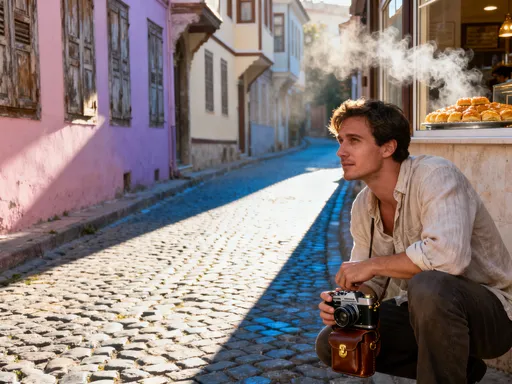
Montpellier does not shout. It hums—a low, warm vibration beneath cobblestone lanes and sun-bleached shutters. Unlike the hurried pulse of Paris or the tourist-packed alleys of Nice, this southern French city unfolds at a pace that feels almost ancestral. Life here is lived in layers: the morning stroll to buy bread, the midday pause under plane trees, the evening promenade where families walk three abreast, laughing. The city’s rhythm isn’t imposed; it’s absorbed. Visitors who try to rush are gently reminded by the heat of the sun, the closing of shops between noon and two, the long silences between courses in a local bistro.
Urban design plays a quiet role in this unhurried life. The historic center, known as L'Écusson, is a maze of pedestrian-only streets where cars are visitors, not residents. This encourages walking—not as exercise, but as a natural mode of movement. Public spaces like the Promenade du Peyrou, with its grand esplanade and panoramic views, are not just scenic backdrops but living rooms for the city. Locals gather there not to take photos, but to read, to talk, to watch children chase pigeons. The absence of towering hotels or chain stores keeps tourism at a human scale, allowing authentic moments to emerge.
More than layout, it’s the mindset that defines Montpellier’s tempo. The Mediterranean attitude—*dolce far niente*, the sweetness of doing nothing—is not laziness, but intentionality. People prioritize connection over convenience. A simple exchange at a fruit stand might include questions about your week, not just the price of peaches. This cultural warmth invites travelers to shed their itineraries and embrace presence. When you stop trying to see everything, you begin to notice what matters: the way light hits a tile wall at 5 p.m., the sound of a distant accordion, the smell of thyme carried on a breeze from nearby hills.
Slow travel in Montpellier isn’t a trend; it’s the default. And when you align with it, the city reveals itself not as a checklist of sights, but as a series of sensory invitations. You start to understand that savoring a place begins not with your eyes, but with your ability to wait, to listen, to let experience unfold.
Morning Light and Fresh Baguettes: A Day Begins in the Local Market
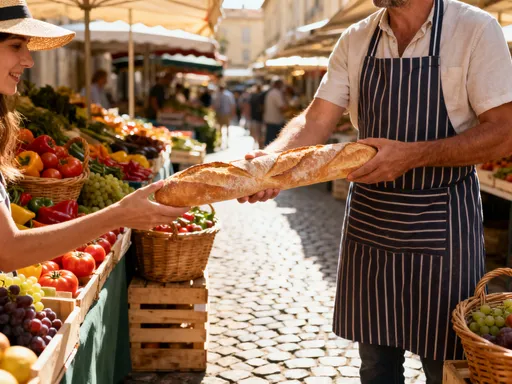
There is a particular kind of magic in Montpellier that arrives with dawn. By 7 a.m., the markets are already alive—first with the clatter of crates, then with the rising hum of voices. At Place du Peyrou, the city’s grand square transforms into a canvas of color and scent. Stalls overflow with glossy eggplants, ruby-red tomatoes still warm from the sun, and baskets of olives steeped in herbs. The air carries the tang of goat cheese, the sweetness of wildflower honey, and the earthy perfume of just-pulled carrots.
This is where food becomes story. A vendor in a linen apron might tell you how her figs were harvested at sunrise, or how the lavender in her honey comes from the garrigue—scrubland rich with aromatic plants that perfume the hills. These details aren’t marketing; they’re pride. Locals don’t just buy food here—they engage with it. They ask questions. They taste before purchasing. They return to the same stalls, building relationships over seasons.
For the traveler, shopping like a local is the first step toward immersion. It shifts the act of eating from consumption to connection. Instead of grabbing a croissant on the go, you linger. You learn that a proper baguette should crackle when broken, that ripe melons smell sweet at the stem, that the best herbs are sold in loose bunches, fragrant and leafy. You discover regional specialties: rouget barbet, a small red mullet prized in Languedoc cuisine; caillettes, herb-stuffed meatballs once made for Easter; and saucisson sec cured with fennel and garlic.
Timing matters. The best hours to visit are between 8 and 10 a.m., when produce is freshest and vendors are most talkative. Go later, and the energy fades. Weekday markets tend to be smaller but more authentic; weekend markets, like the one at Antigone, are larger and attract more tourists, but still offer excellent quality. The key is to come with curiosity, not a checklist. Let your nose guide you. Accept a sample of olive oil on a piece of bread. Ask, “What’s good today?” in halting French. These small acts open doors.
Respect is part of the ritual. Don’t touch produce without permission. Use a polite greeting—“Bonjour, Madame”—before asking questions. And if you return the next day, mention how much you enjoyed the strawberries. That’s how trust is built. In Montpellier, the market isn’t just where you buy food. It’s where you begin to belong.
From Market to Table: Cooking as Connection, Not Chore
Carrying a canvas bag full of market finds back to a rental apartment, I once realized I wasn’t just bringing home ingredients—I was bringing home an invitation. Cooking in Montpellier isn’t about replicating Michelin-starred dishes. It’s about participation. Many visitors rent apartments with full kitchens, not for convenience, but for the chance to live like a local, even briefly. There’s a quiet joy in peeling garlic bought from a farmer who described its growing season, or stirring a tomato sauce made from fruit still warm from the sun.
The regional cuisine of Languedoc is rooted in simplicity and seasonality. Dishes like ratatouille, a stew of summer vegetables, aren’t just meals—they’re reflections of the land. Each family has its version: some add zucchini early, others late; some use fresh thyme, others dried. The process is more important than perfection. Chopping vegetables slowly, letting onions soften in olive oil, tasting and adjusting—these acts become meditative. There’s no rush. The kitchen becomes a place of presence, not productivity.
Aioli, another staple, is more than a garlic mayonnaise. In Montpellier, it often refers to a full meal—*l’aïoli garni*—featuring boiled vegetables, salt cod, eggs, and sometimes chicken, all served with the pungent sauce. Preparing it is an event, often shared with others. The act of emulsifying oil and garlic by hand, slowly, with a wooden spoon, requires patience. It’s not a task to be rushed with a blender. It’s a ritual that connects you to generations of cooks who made it the same way.
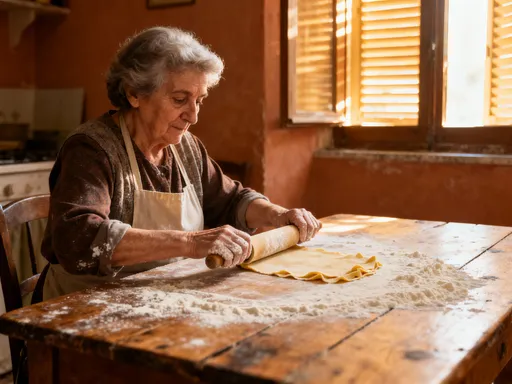
For travelers, cooking can be a bridge. Some join small, home-based workshops where a local host teaches traditional recipes while sharing stories. These aren’t performances; they’re conversations. You might learn how pissaladière—a caramelized onion tart from nearby Nice—is adapted in Montpellier with local herbs, or how a grandmother’s soup recipe survived wartime shortages. These classes emphasize technique over trend, tradition over technique.
The deeper lesson is this: when you cook with care, you eat with gratitude. You notice the quality of ingredients. You waste less. You savor more. And in that savoring, you begin to understand the philosophy of slow living—not as a retreat from modern life, but as a reclamation of it. In Montpellier, the kitchen is not a chore to escape. It’s a sanctuary to enter.
Café Culture and Long Lunches: Eating Is Never Just Eating
In Montpellier, a meal is never just fuel. It is time suspended. A two-hour lunch is not indulgence; it is normal. It is expected. At sidewalk cafés, tables are not turned. They are occupied. Friends arrive with newspapers. Couples share a bottle of wine. A man reads a novel between bites. No one checks a watch. The pace is set by digestion, not deadlines.
Dining here is deeply social. Even solo diners are part of the scene. A server might bring an extra slice of bread “just because,” or pour a small glass of rosé to accompany the cheese course. There’s a gentleness in the service, a sense that hospitality is not a transaction, but a welcome. Restaurants are often family-run, with checkered tablecloths, mismatched chairs, and wine served in carafes. The menus change with the market. Yesterday’s special might have been grilled sardines; today, it’s lamb with rosemary.
The sensory experience is layered. You hear the clink of cutlery, the murmur of conversation, the occasional burst of laughter. You feel the warmth of the sun on your shoulders, the coolness of a stone floor beneath your feet. You smell herbs sizzling in oil, bread fresh from the oven, the faint salt of the Mediterranean carried on the wind. And you taste—deeply. A tomato isn’t just red; it’s sweet, acidic, juicy, complex. A piece of cheese carries the memory of pasture and season.
Presence is the unspoken rule. Phones stay in pockets. Eye contact matters. Conversations meander. A question like “How was your weekend?” might unfold into a 20-minute story about a family picnic in the hills, complete with descriptions of the view, the wine, the children’s laughter. This isn’t small talk. It’s connection.
One afternoon, I sat at a bistro near the Jardin des Plantes, watching light shift across the façade of an old pharmacy. My meal—salade niçoise with tuna from Sete, olives from Nyons, and anchovies hand-packed in oil—arrived slowly, in stages. First the bread. Then the salad. Then the cheese. Each pause felt intentional. I didn’t mind the wait. In fact, I welcomed it. There was no urge to rush. The world outside the café existed, but it didn’t demand my attention. For that hour and a half, I was exactly where I needed to be.
This is the heart of Montpellier’s food culture: eating as an act of being. Not doing. Not achieving. Just existing, fully, in the moment. And in that fullness, you begin to understand what it means to truly nourish yourself.
Beyond the Plate: Food as Gateway to People and Place
In Montpellier, food is never isolated. It is a thread that connects land, people, and tradition. When you eat with intention, doors open. A winemaker in the nearby Languedoc region might invite you to picnic among his vines, pouring a young red from a glass jug. A fishmonger at the Sète market, after noticing your interest, might explain how to tell if a sea urchin is fresh—by the way it closes its spines when touched. These moments aren’t staged. They’re sparked by curiosity and respect.
The region is rich with opportunities to go beyond the restaurant. Olive oil tastings in small cooperatives allow you to sample oils with notes of artichoke, almond, or green apple, each reflecting its terroir. Bakery tours—often led by fourth-generation bakers—reveal the alchemy of flour, water, salt, and time. Farm visits let you pick your own strawberries, feed goats, or gather eggs, grounding your meals in the reality of their origin.
These experiences transform consumption into participation. When you meet the person who grew your food, you don’t just eat a tomato. You eat their care, their weather, their season. You gain a deeper appreciation for the effort behind every bite. And in that appreciation, a relationship forms—not just with the food, but with the place and its people.
Sète, a fishing port just 30 minutes away by train, offers a vivid example. The town is known for its seafood, especially oysters and sardines. Visitors who take the time to talk to fishermen often find themselves invited to small gatherings—impromptu barbecues on the dock, shared bottles of white wine, stories passed down through generations. These aren’t on any tourist map. They happen because someone asked a question, showed interest, stayed a little longer.
Similarly, in the vineyards of Pic Saint-Loup, just north of Montpellier, winemakers welcome guests not as customers, but as fellow lovers of the craft. Tastings are informal, held at wooden tables under shade cloths, with cheese and bread provided. The conversation flows easily—from soil composition to vintage variations to the challenges of organic farming. You leave not just with a bottle, but with a story.
This is the essence of slow food travel: it rewards attention. The more you slow down, the more you see. The more you engage, the more you belong. In Montpellier, food is not just sustenance. It is a language, spoken in flavors, shared in silence, understood through presence.
Practical Magic: How to Plan a Slow Food-Focused Trip Without Overplanning
Slowing down doesn’t mean wandering without direction. It means designing a framework that allows space for spontaneity. The key is intentionality in structure. Choose accommodations in the historic center or in walkable neighborhoods like Boutonnet or Croix d’Argent. Rent an apartment with a kitchen—this simple choice shifts your relationship with food. It invites you to shop, to cook, to linger.
Use regional transportation to explore. TER trains connect Montpellier to nearby towns like Sète, Nîmes, and Béziers, making day trips easy and low-stress. A train ride to a village market, a vineyard tour, or a seaside lunch becomes part of the rhythm, not a packed itinerary. Biking is another excellent option—Montpellier has an extensive network of bike paths, and rentals are widely available.
When planning, schedule space, not sights. Leave entire afternoons open. Avoid overbooking cooking classes or guided food tours, especially those that feel commercial or rushed. Instead, seek out small, local experiences—perhaps a cheese tasting at a fromagerie, a visit to a weekly farmers’ market, or a wine tasting at a family-run cave. These moments are often more memorable than formal tours.
Embrace serendipity. Some of the best experiences in Montpellier happen by accident. You might stumble upon a village fête with grilled sardines, live accordion music, and children dancing in the square. You might follow the smell of baking bread to a tiny boulangerie where the owner offers you a warm croissant. These unplanned moments are the soul of slow travel.
Prepare with flexibility. Learn a few key French phrases—“Bonjour,” “Merci,” “Qu’est-ce que vous recommandez?”—but don’t stress perfection. Locals appreciate the effort. Carry a small notebook to jot down favorite stalls, recipes, or names of people you meet. And most importantly, pack patience. Things close for lunch. Trains run late. Markets end early. These aren’t inconveniences. They’re invitations to slow down.
The goal is not to see everything, but to experience deeply. Structure your trip like a good meal: balanced, unhurried, and full of moments worth savoring.
Carrying the Taste Home: Why Slow Food Travel Changes You Long After You Leave
I returned home with more than souvenirs. I brought back a rhythm. The clink of glasses during twilight dinners. The smell of thyme in olive oil. The memory of a woman at the market who remembered my name. These lingered, not as nostalgia, but as transformation. Slow food travel doesn’t end when the trip does. It seeps into daily life, reshaping habits in quiet but profound ways.
I began cooking more. Not elaborate meals, but simple ones—ratatouille on a Tuesday, a salad with just-picked herbs, bread toasted and rubbed with garlic. I wasted less. I learned to use every part of a vegetable, to save scraps for broth, to appreciate the value of a single, perfect tomato. I shopped with attention, visiting local farmers’ markets, asking growers about their methods, choosing seasonality over convenience.
But the change went deeper than habits. It altered my relationship with time. I started putting my phone away during meals. I invited friends to long lunches, where conversation mattered more than efficiency. I learned to sit with silence, to let a meal unfold without rushing to the next thing. In a world that glorifies speed, these acts felt radical.
Montpellier taught me that savoring is a form of resistance—a quiet refusal to consume life in haste. It’s not about rejecting modernity, but about reclaiming presence. When you eat slowly, you begin to live slowly. You notice more. You connect more. You remember more.
The true gift of slow food travel is not just the flavors you taste, but the way they change you. It’s the realization that joy can be found in the ordinary—the warmth of a baguette, the sound of a market bell, the smile of a vendor who remembers your order. These moments, small and unremarkable, become the fabric of a richer life.
So I urge you: seek not just destinations, but ways of being. Let your next trip be an invitation to slow down, to taste deeply, to listen closely. Let it teach you that the most nourishing journeys are not measured in miles, but in moments—each one savored, each one lived, one unhurried bite at a time.